
On 2 and 3 September 2026, Tallinn (Estonia) hosted the third General Assembly of the European FOOD FOREST project, bringing together partner organisations from Estonia, Italy, Portugal and Spain to exchange ideas, review progress and work together on the final stages of the project, which will come to an end in February 2027. Following the previous meetings, this gathering helped further strengthen collaboration on the development of viable business models for Food Forests and their integration into urban environments as a sustainable solution for food production and environmental regeneration.
Two Days of Collaboration, Knowledge Exchange and Practical Learning
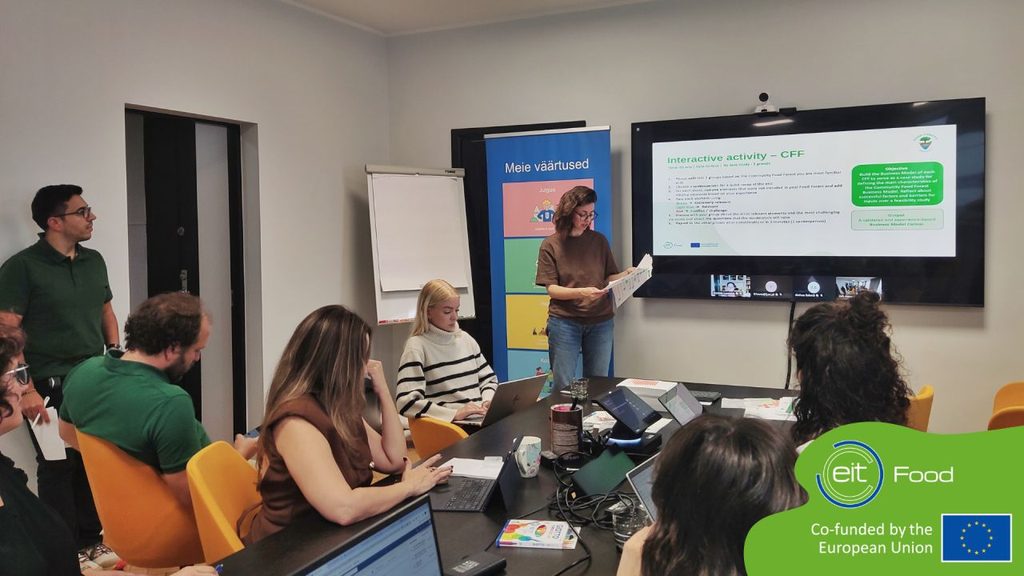
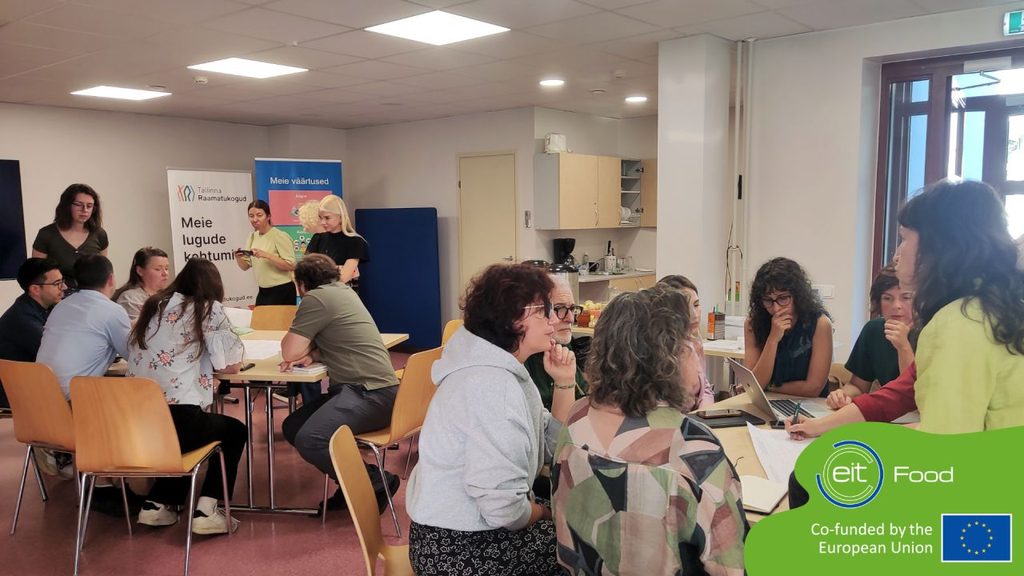
Over the two days, the project partners addressed key aspects of the continued development and implementation of Food Forests. The working sessions focused on progress in community food forests, social and environmental impact assessment, future funding opportunities, and the development of business models and governance frameworks. Partners also shared lessons learned on communication, dissemination and project coordination, identifying priority actions for the final phase of the project.
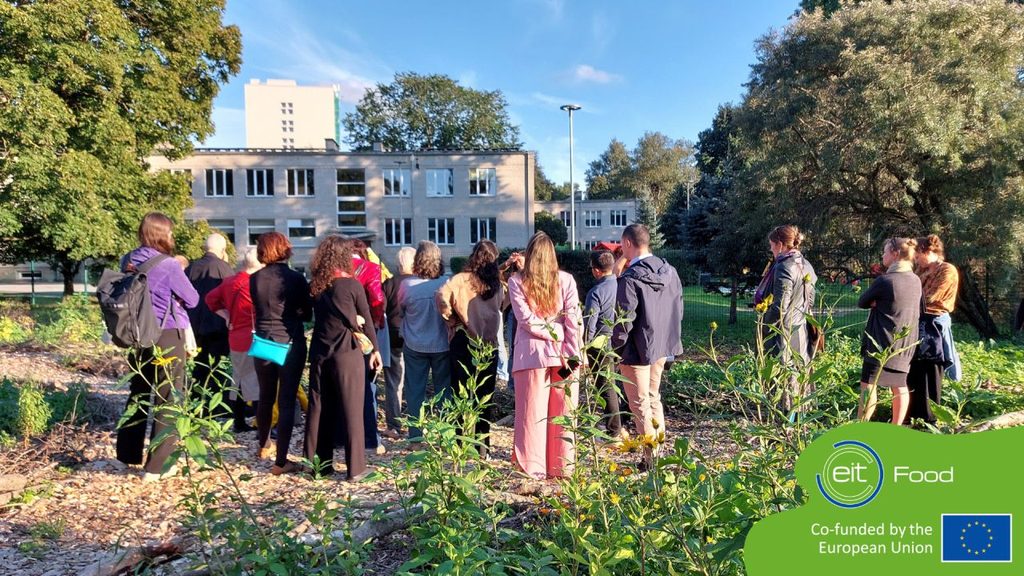
The meeting combined working sessions with practical activities and visits to local initiatives. On the first day, participants visited the Tallinn Community Food Forest and several community gardens, where they explored urban agriculture and environmental education initiatives and exchanged experiences on the management and development of community spaces dedicated to food production.
The second day provided an opportunity to explore Food Forest business models, policy support and different governance approaches for these spaces in greater depth. Partners also reviewed progress in communication and dissemination, discussed the results of the gender mainstreaming self-assessment exercise, and agreed on the next steps towards completing the project.
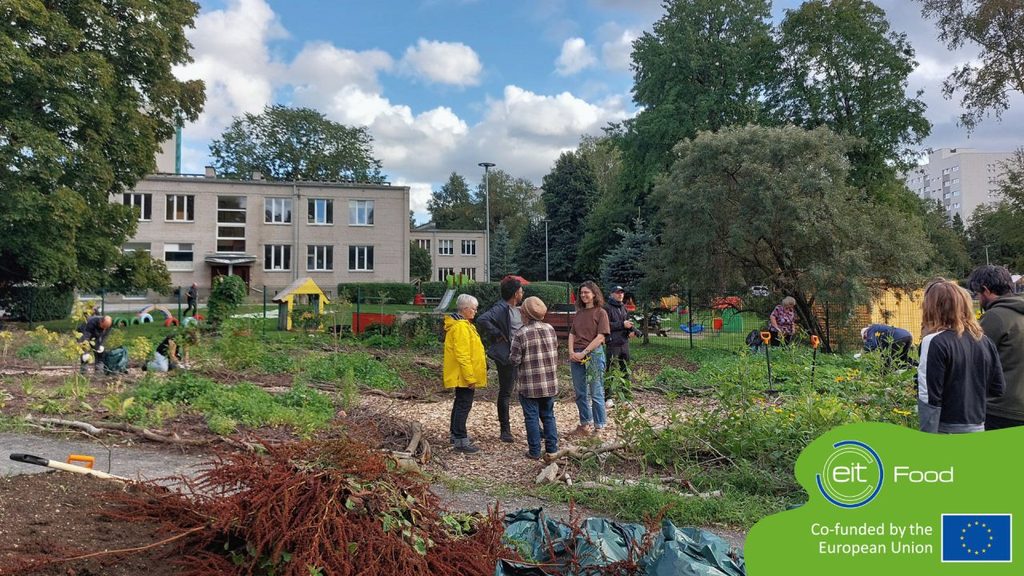
Alongside the official sessions, the Estonian team organised a practical activity at the Tallinn Community Food Forest, where participants took part in soil preparation and planting. This hands-on experience helped put some of the ideas discussed during the meeting into practice and further strengthened collaboration between the partner organisations.
The project partners include Eurac Research (Italy); the University of Coimbra (Portugal); the Institute of Baltic Studies (IBS), the Estonian University of Life Sciences (EMU) and Tallinn City Government (Estonia); and, in Spain, the University of the Basque Country/Euskal Herriko Unibertsitatea (EHU), RB3 Innovación Urbana Integrada, TRAINN, El Gatoverde Producciones, Artajona Town Council and the Artajona Agricultural Cooperative.
Next Stop: Artajona, Spain
The FOOD FOREST project will come to an end in February 2027. The fourth and final General Assembly will take place in Artajona (Spain) on 20 and 21 January 2027, providing partners with an opportunity to share the results achieved, reflect on the lessons learned and bring together the outcomes of their collaborative work throughout the project.

