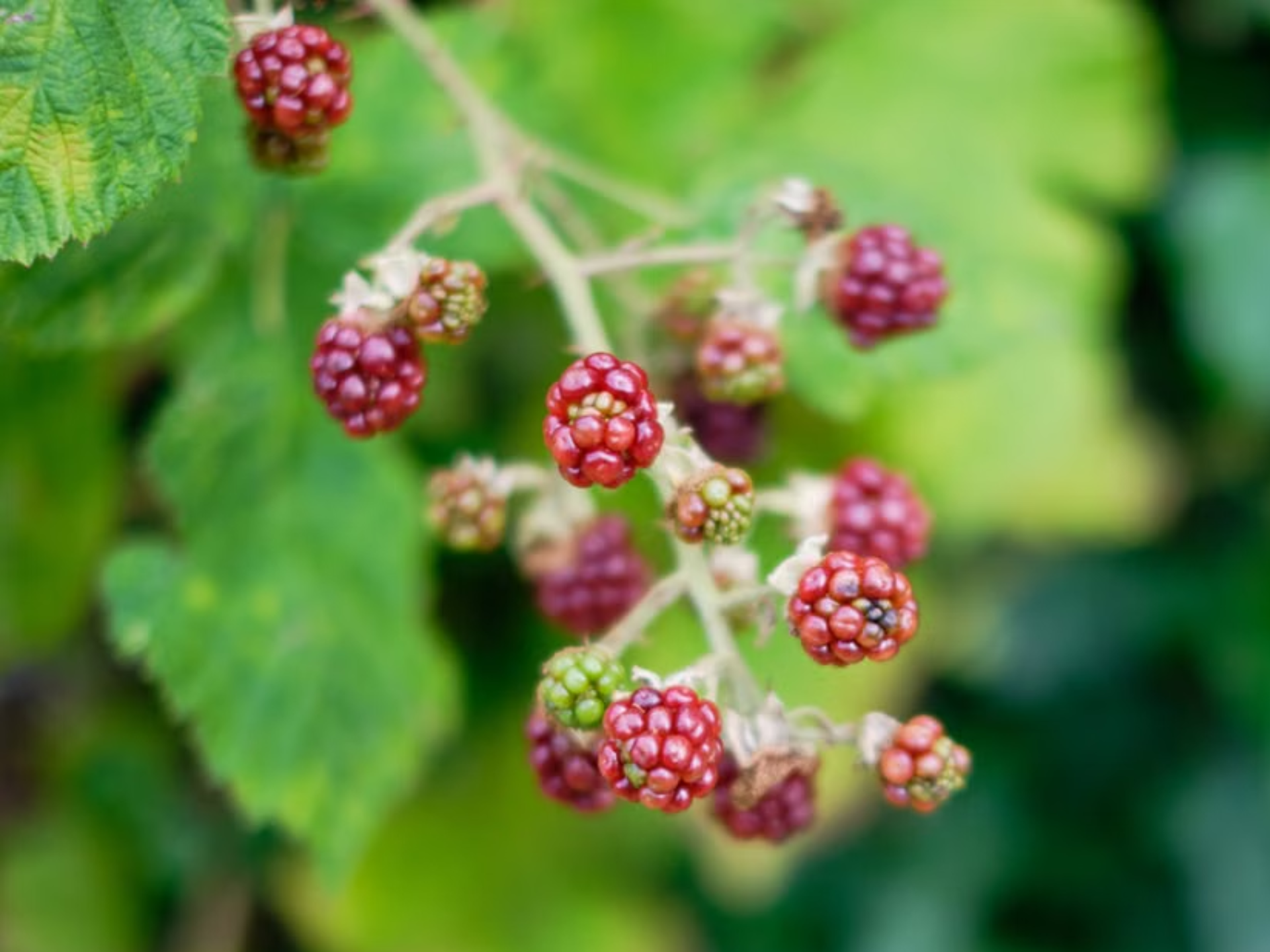
The Artajona Food Forest forms part of the European FOOD FOREST project, an initiative focused on the creation of sustainable agroforestry systems that combine food production, ecological restoration and increased biodiversity. In this context, vegetation monitoring helps to determine the diversity of species present and to characterise the different environments and plant communities within the study area.
For the sampling, transects and quadrats have been established across the different areas of the food forest. The transects allow the plant species present to be recorded along routes representative of the study area, while the quadrats allow a more detailed analysis of species composition and occurrence within defined areas. The locations of the transects and quadrats used are shown on the map of the study area.
The following section lists the plant species identified during the spring sampling, including both cultivated species and spontaneous species occurring in the different areas. The inventory reflects the plant diversity associated with the different habitats and stages of development of the plot. Plants For A Future (PFAF) was used as the main source for species identification and information, supplemented by other botanical sources. Further information is available on the website, including details of all species identified during the sampling surveys.
Puncture vine (Tribulus terrestris)
Family: Zygophyllaceae | Edibility: Low (1/5) | Medicinal Interest: Moderate (3/5) | Weed Potential: Yes
Description: An annual herbaceous plant with a prostrate growth habit, adapted to dry and disturbed environments. It produces characteristic spiny fruits and has a high tolerance to heat and drought.
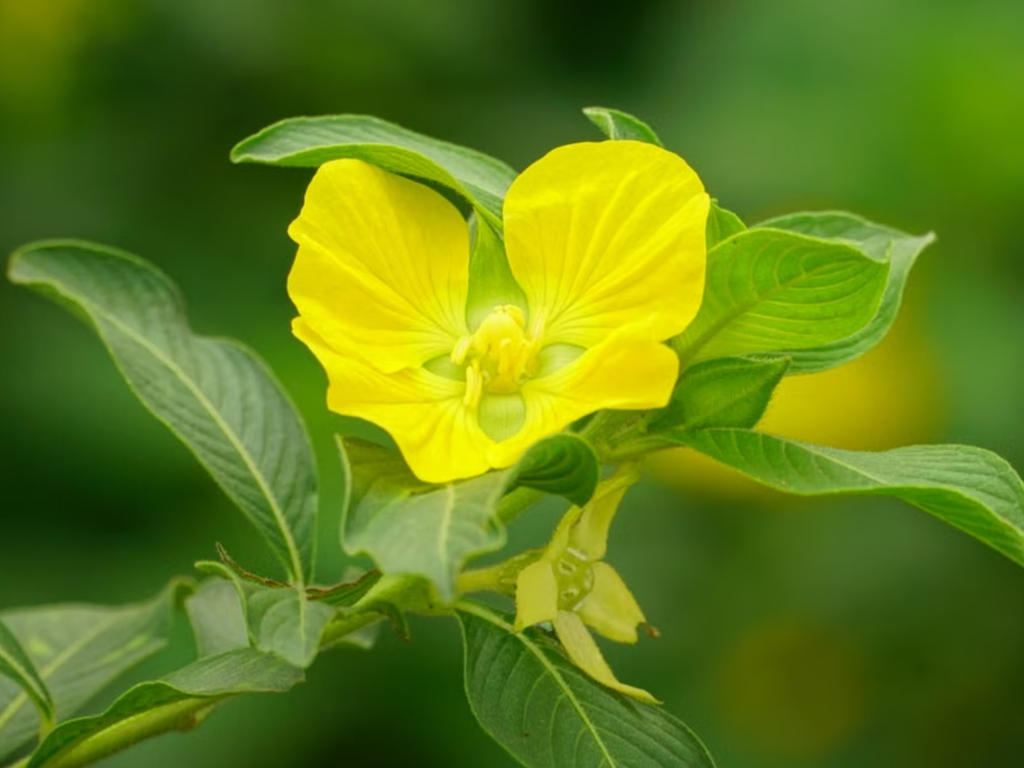
Common sorrel (Rumex crispus)
Family: Polygonaceae | Edibility: Moderate (3/5) | Medicinal Interest: Moderate (3/5) | Weed Potential: Yes
Description: A perennial herbaceous plant with long, wavy leaves, commonly found in moist or disturbed soils. Its deep roots allow it to persist and produce abundant biomass.
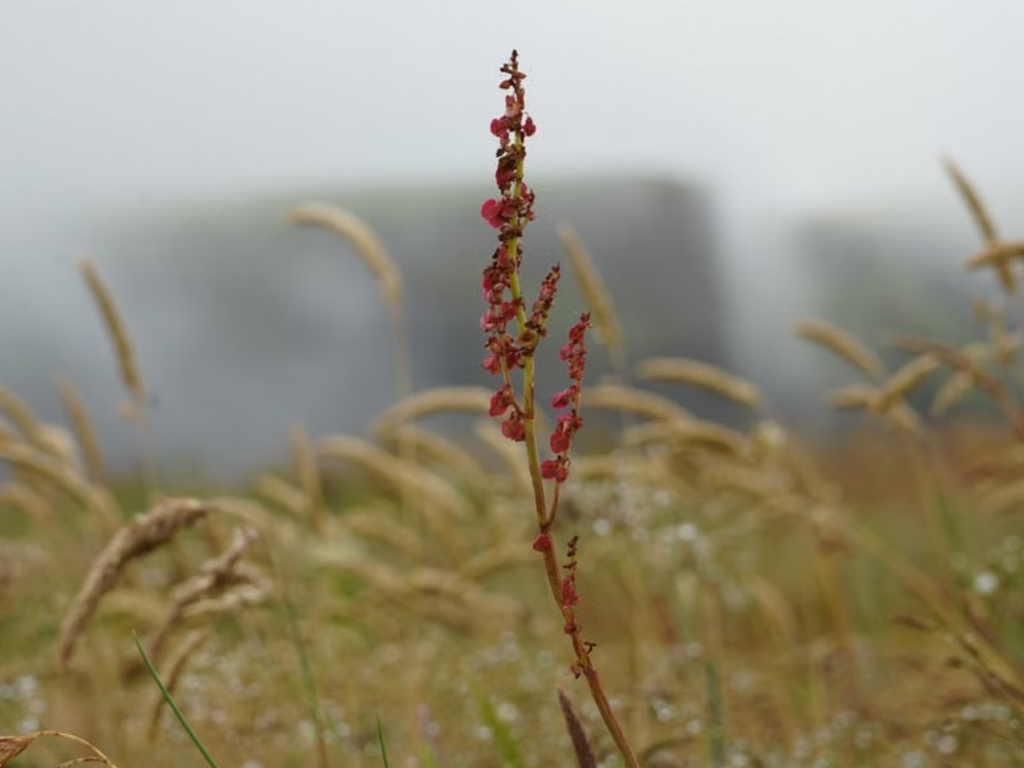
Common chicory (Asteraceae)
Family: Asteraceae | Edibility: High (4/5) | Medicinal Interest: Moderate (3/5) | Weed Potential: Yes
Description: A perennial herbaceous plant with blue flowers, a deep root system and a high tolerance to drought. Its leaves and roots have culinary uses, and it provides resources for pollinating insects.
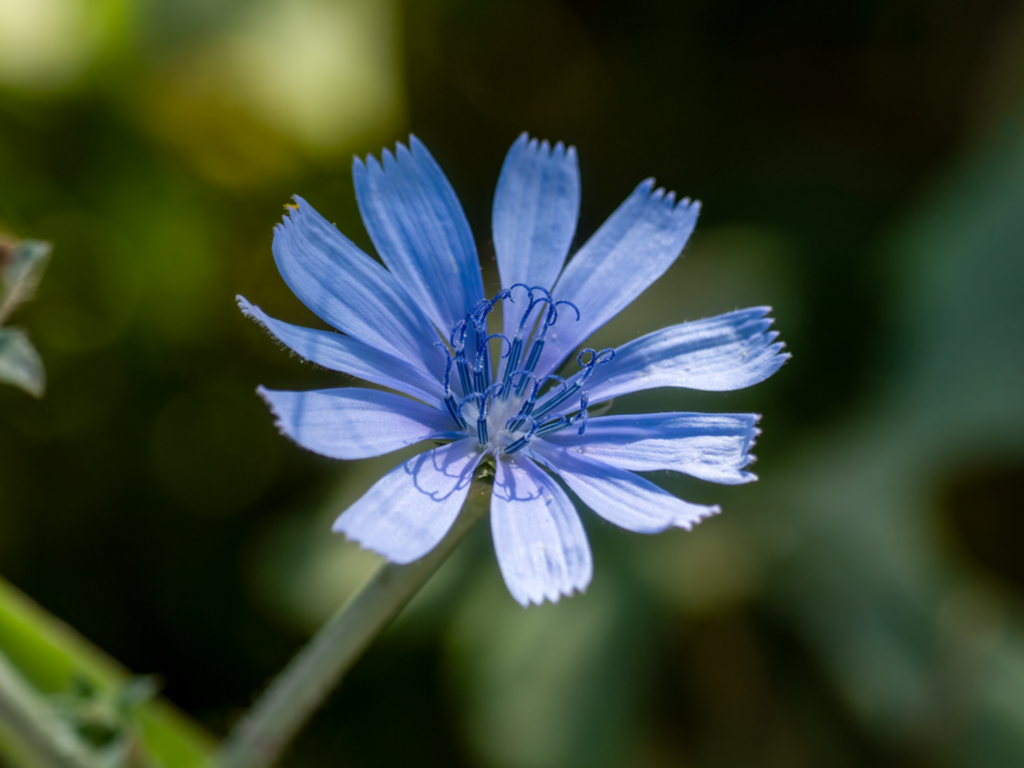
Great willowherb (Onagraceae)
Family: Onagraceae | Edibility: Moderate (3/5) | Medicinal Interest: Low (2/5) | Weed Potential: Yes
Description: A vigorous perennial herbaceous plant of damp habitats, bearing large pink flowers. It spreads by means of rhizomes and provides abundant floral resources for numerous pollinating insects.
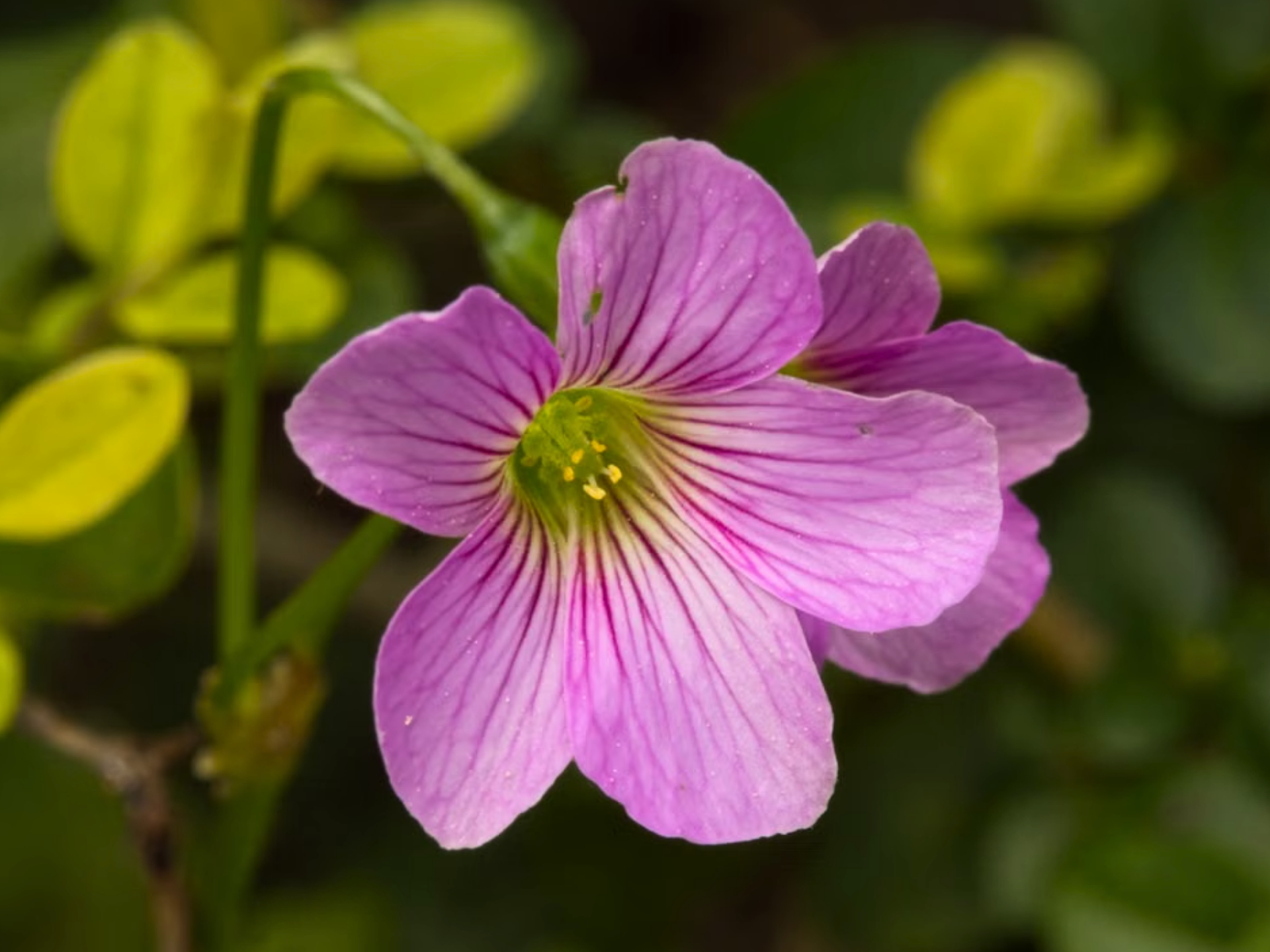
Alfalfa (Fabaceae)
Family: Fabaceae | Edibility: High (4/5) | Medicinal Interest: Moderate (3/5) | Weed Potential: Yes
Description: A perennial legume widely cultivated as a forage crop. It fixes nitrogen through associations with root bacteria, produces abundant biomass, and its flowers provide a valuable resource for pollinators.
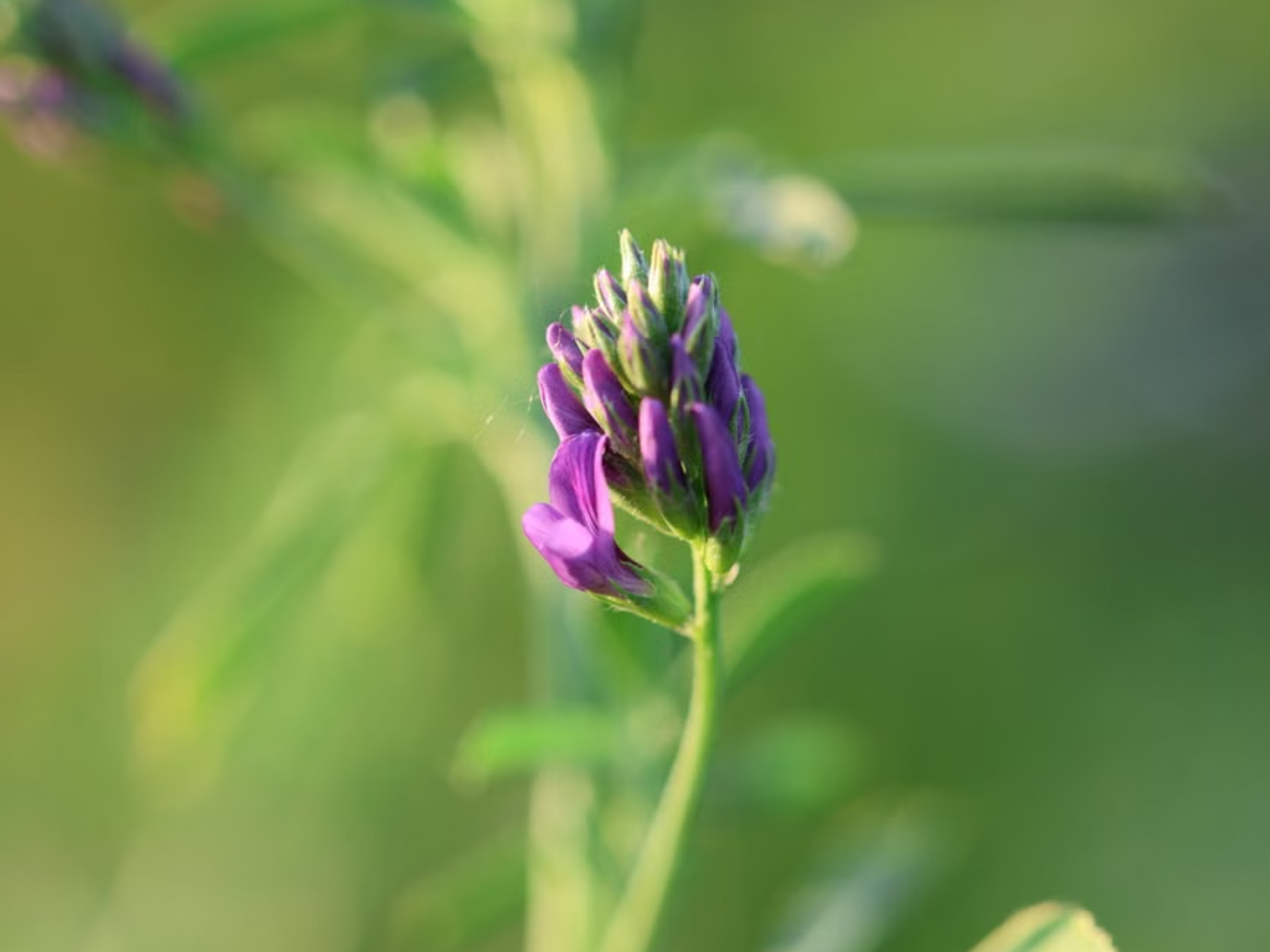
Common poppy/ Corn poppy (Papaveraceae)
Family: Papaveraceae | Edibility: Low (2/5) | Medicinal Interest: Moderate (3/5) | Weed Potential: No
Description: An annual herbaceous plant with striking red flowers, commonly found in cultivated fields. It produces abundant seeds, and its flowers provide food resources and contribute to insect community diversity.
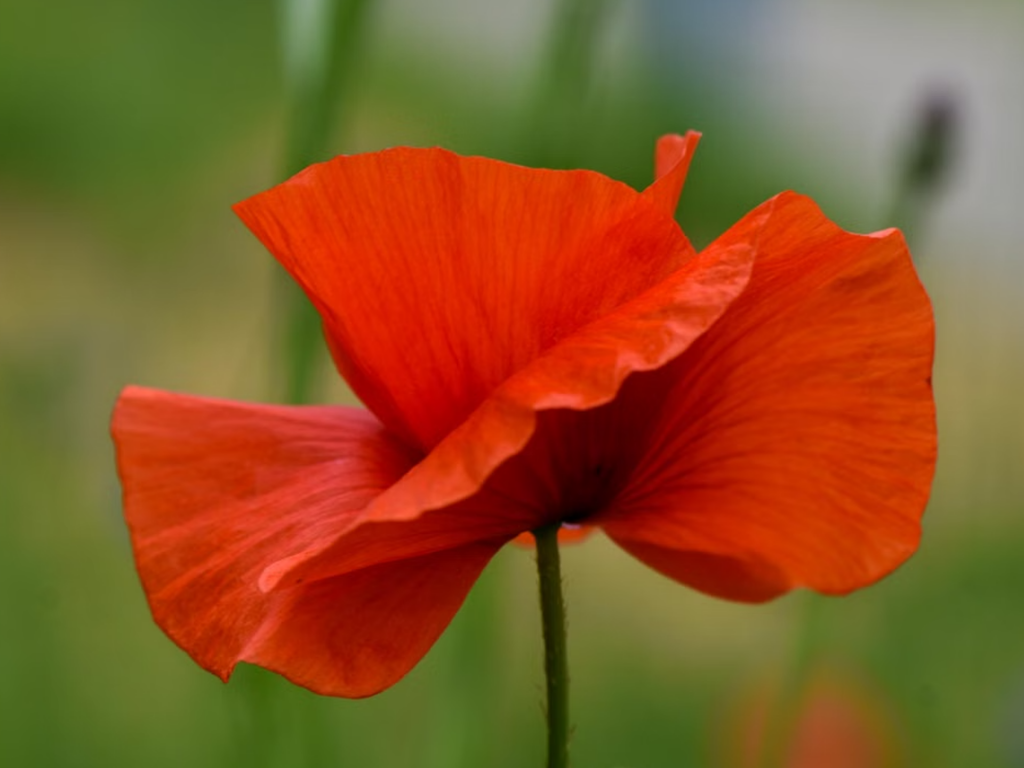
Wild oat (Poaceae)
Family: Poaceae | Edibility: Moderate (3/5) | Medicinal Interest: Low (1/5) | Weed Potential: Yes
Description: A tall annual grass, common in cultivated fields and disturbed ground. It produces drooping spikelets and is adapted to open, sunny and relatively dry environments.
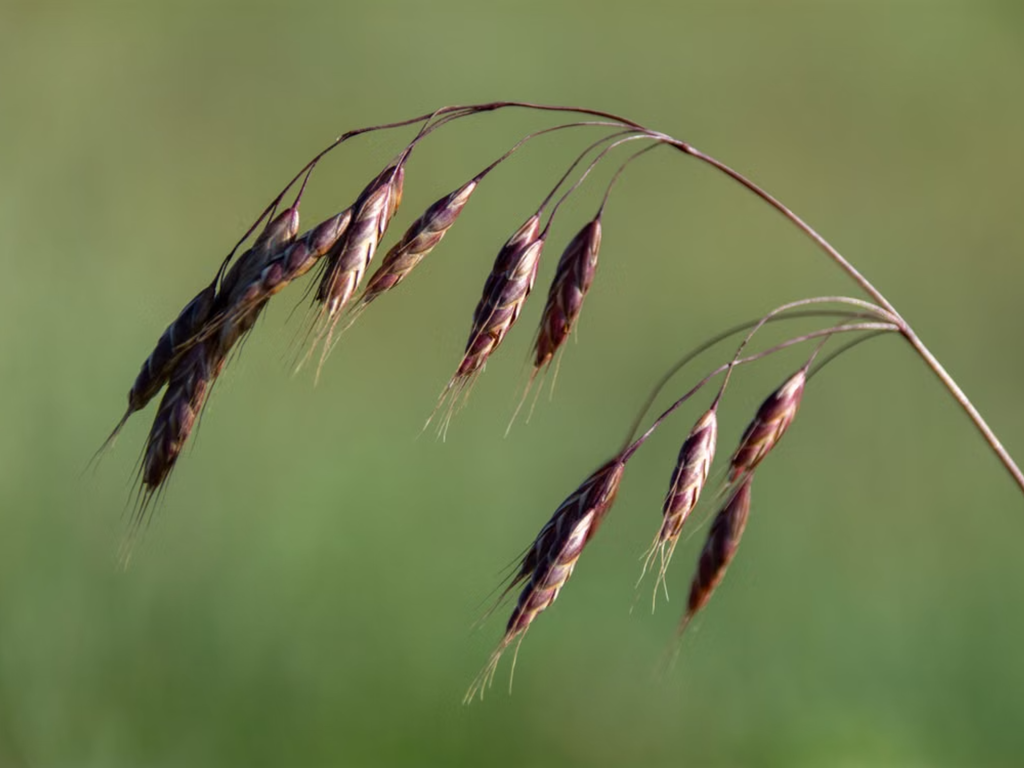
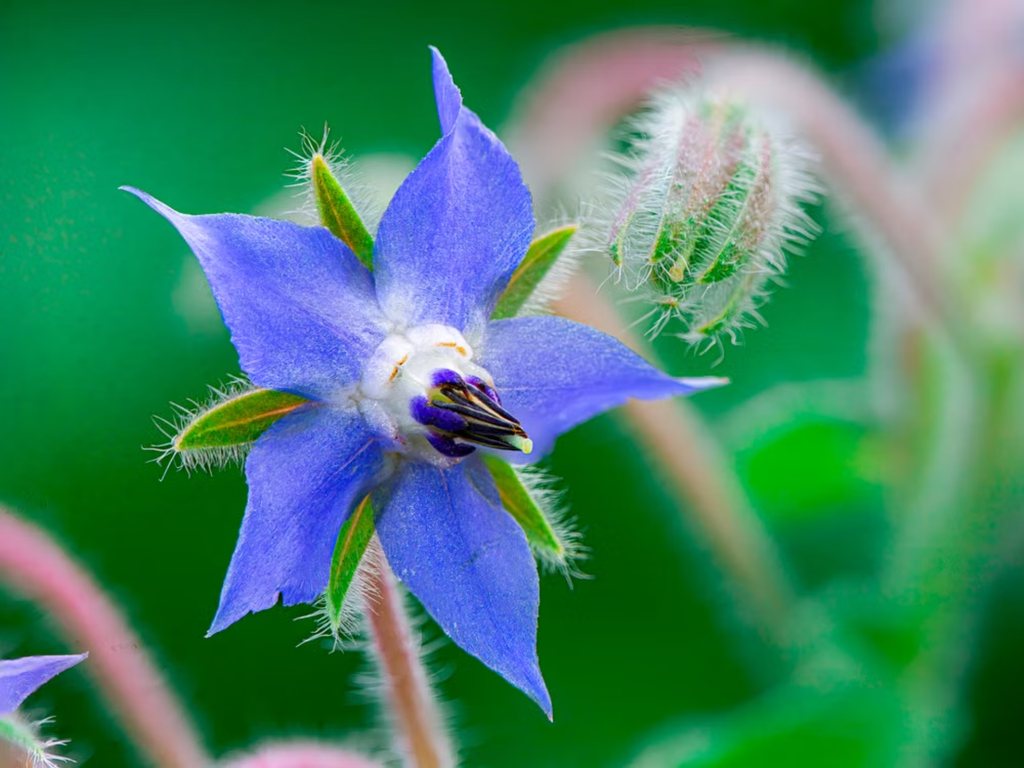
Borage (Boraginaceae)
Family: Boraginaceae | Edibility: Moderate (3/5) | Medicinal Interest: Moderate (3/5) | Weed Potential: No
Description: An annual herb with rough stems and leaves, bearing distinctive blue flowers. Its leaves and flowers are edible, and it produces abundant nectar, attracting numerous pollinating insects.
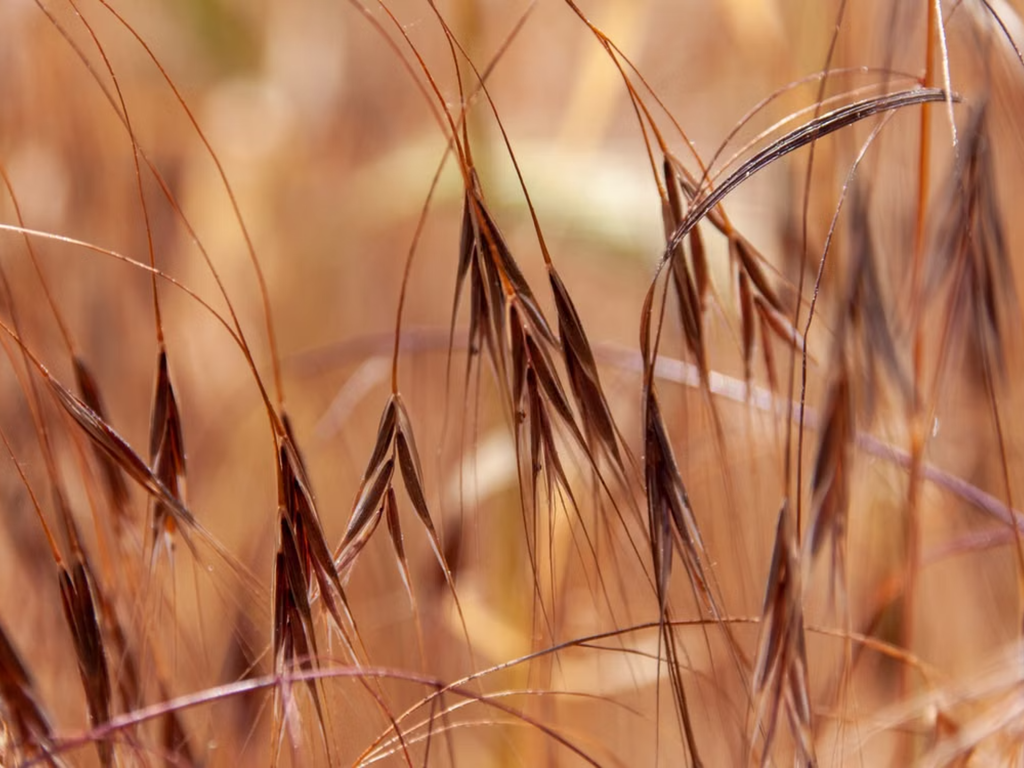
Madrid brome (Poaceae)
Family: Poaceae | Edibility: Low (1/5) | Medicinal Interest: None (0/5) | Weed Potential: Yes
Description: An annual grass of variable stature, common in Mediterranean grasslands and open habitats. It grows rapidly during spring and produces seeds that are consumed by various animal species.
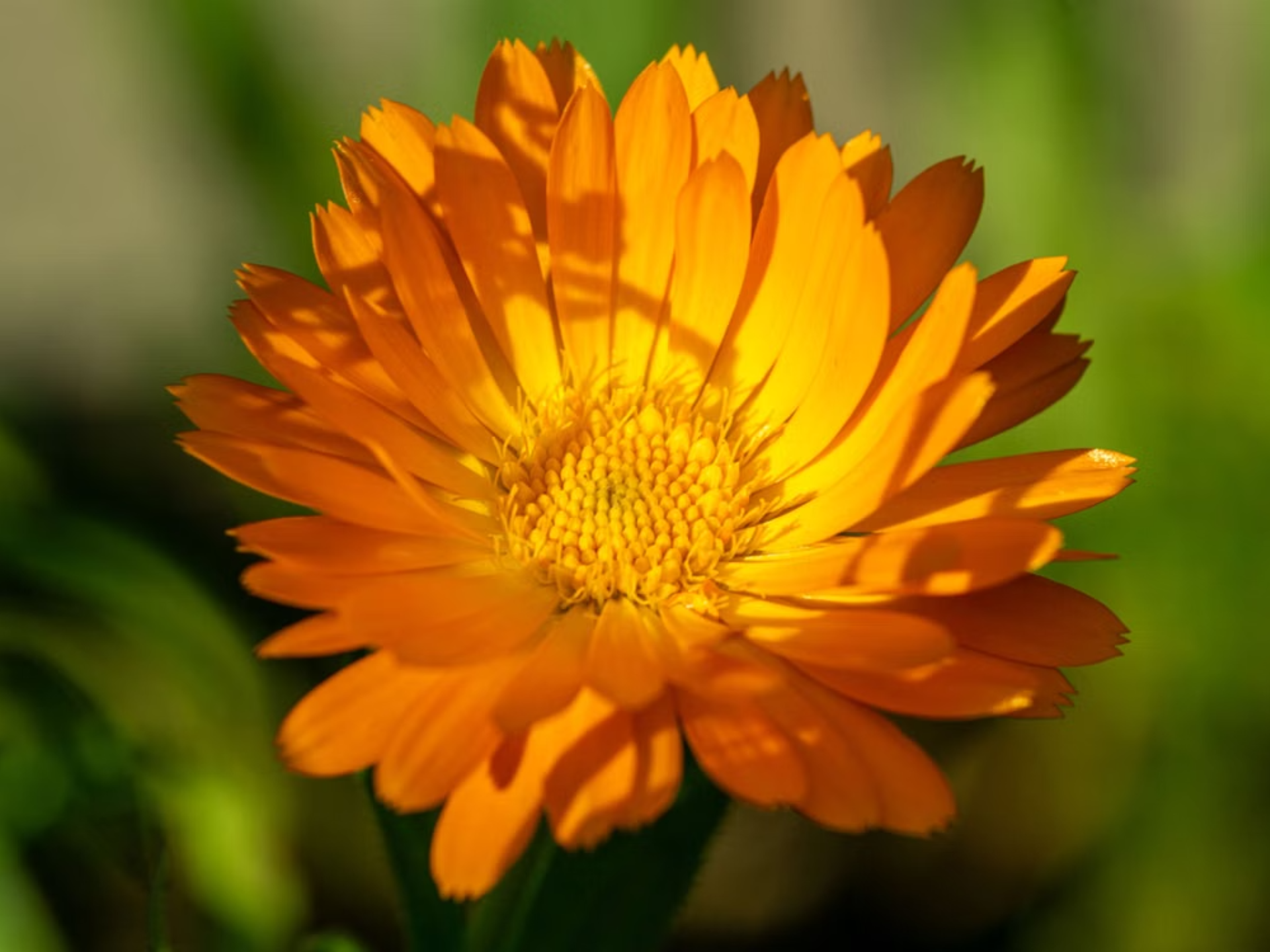
Pot marigold (Asteraceae)
Family: Asteraceae | Edibility: Moderate (3/5) | Medicinal Interest: High (5/5) | Weed Potential: No
Description: An annual herbaceous plant with yellow or orange flowers, valued as an ornamental. It attracts pollinating insects, and its flowers have traditional culinary, cosmetic and dyeing uses.
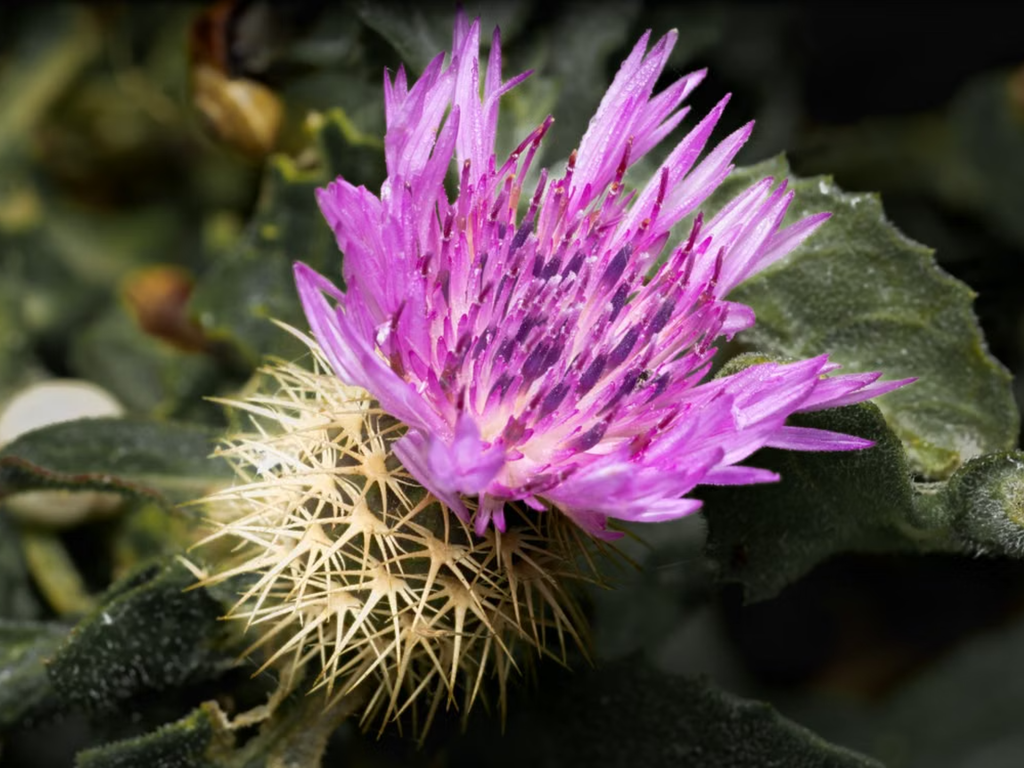
Creeping thistle (Asteraceae)
Family: Asteraceae | Edibility: Low (2/5) | Medicinal Interest: Low (2/5) | Weed Potential: No
Description: A perennial thistle with purple flowers and an extensive rhizome system. Its flowers provide abundant nectar and pollen, although it can vigorously colonise agricultural and disturbed land.
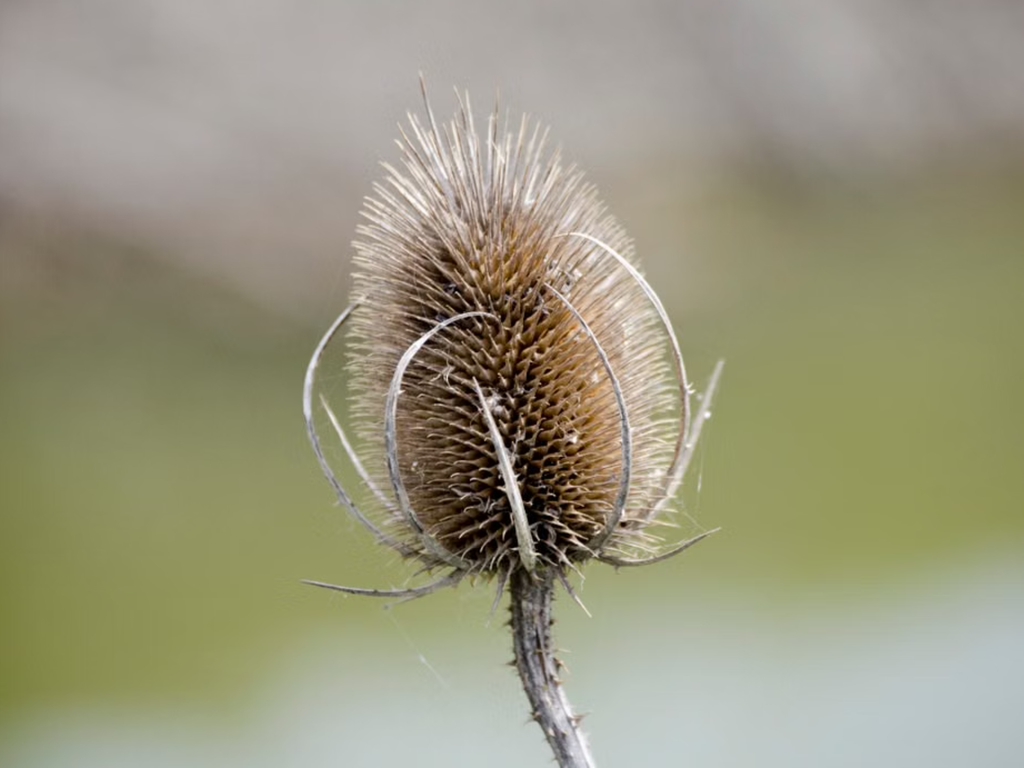
Teasel (Dipsacaceae)
Family: Dipsacaceae | Edibility: None (0/5) | Medicinal Interest: Bajo (2/5) | Weed Potential: Yes
Description: A tall, spiny biennial plant with ovoid flower heads and purplish flowers. Its seeds provide food for birds, while its structures offer shelter for insects.
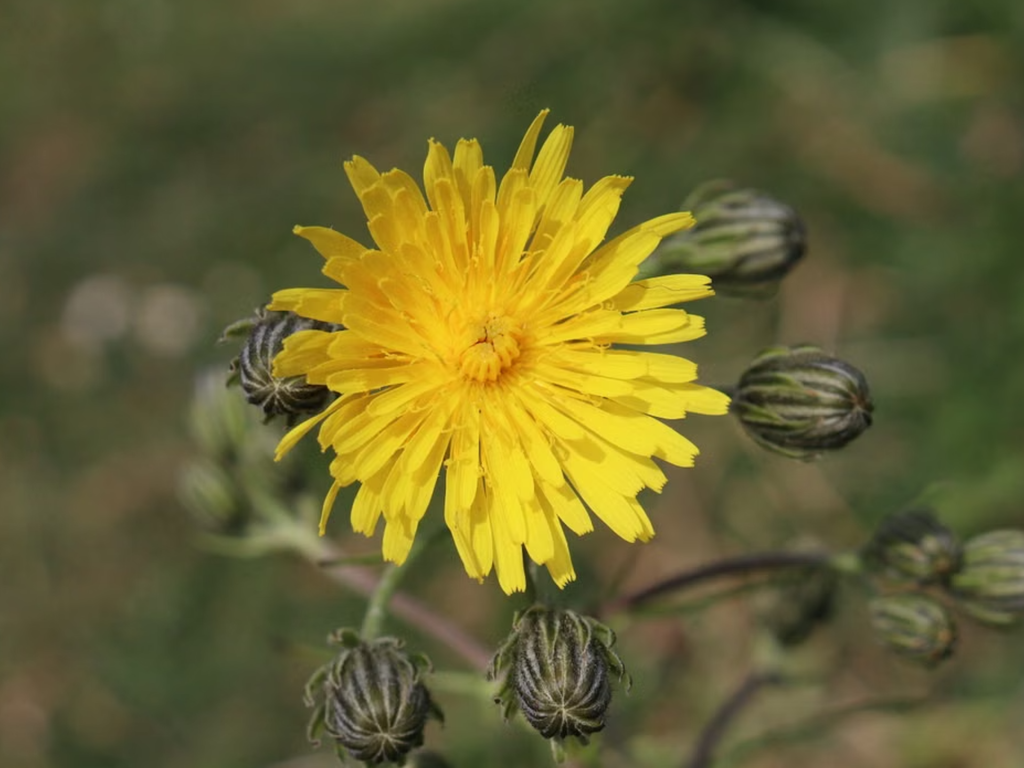
Common sowthistle (Asteraceae)
Family: Asteraceae | Edibility: Low (2/5) | Medicinal Interest: Low (2/5) | Weed Potential: Yes
Description: An annual or biennial herbaceous plant, common in cultivated fields and disturbed ground. Its young leaves are edible, and its yellow flowers provide food resources for a variety of insects.
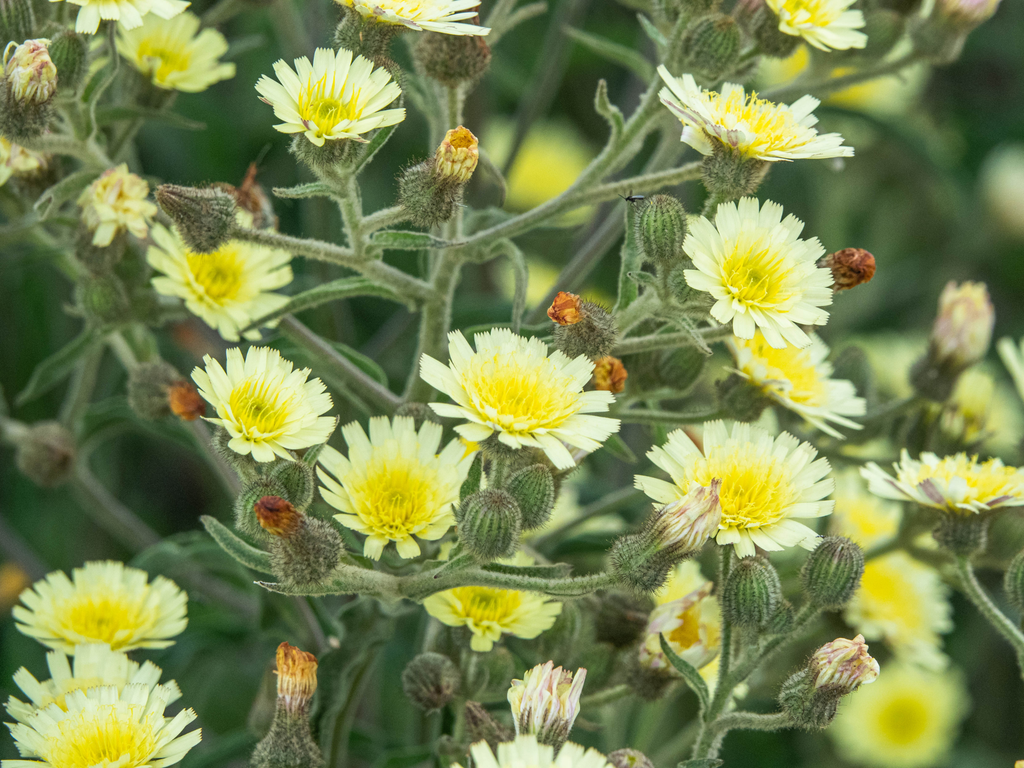
Entire-leaved andryala (Asteraceae)
Family: Asteraceae | Edibility: Low (2/5) | Medicinal Interest: Low (2/5) | Weed Potential: Yes
Description: A Mediterranean annual or biennial herb, with generally hairy stems and leaves and yellow flowers. It inhabits dry, open ground, contributing to floristic diversity.
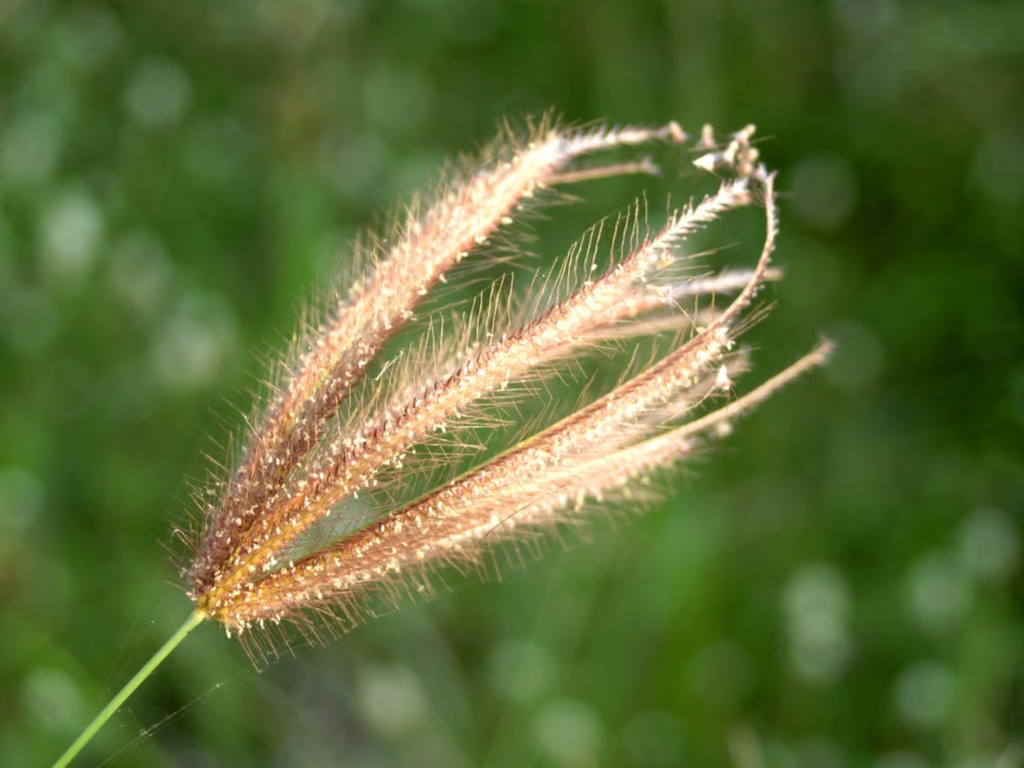
Annual beard grass (Poaceae)
Family: Poaceae | Edibility: Low (1/5) | Medicinal Interest: Low (1/5) | Weed Potential: Yes
Description: A perennial grass that forms dense swards and tussocks, characteristic of damp meadows. It produces abundant biomass and is an important forage resource for herbivorous animals.
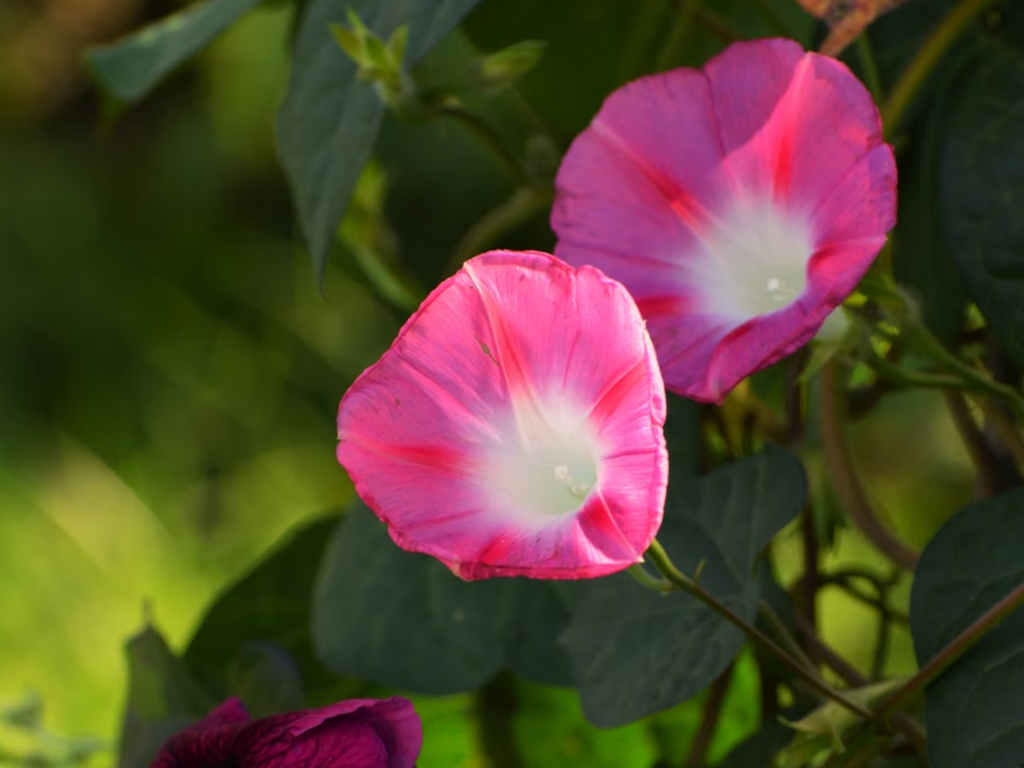
Field bindweed (Convolvulaceae)
Family: Convolvulaceae | Edibility: Low (1/5) | Medicinal Interest: Low (2/5) | Weed Potential: Yes
Description: A creeping or climbing perennial herbaceous plant, with white or pink funnel-shaped flowers. It has deep roots and can persist in dry and disturbed habitats.
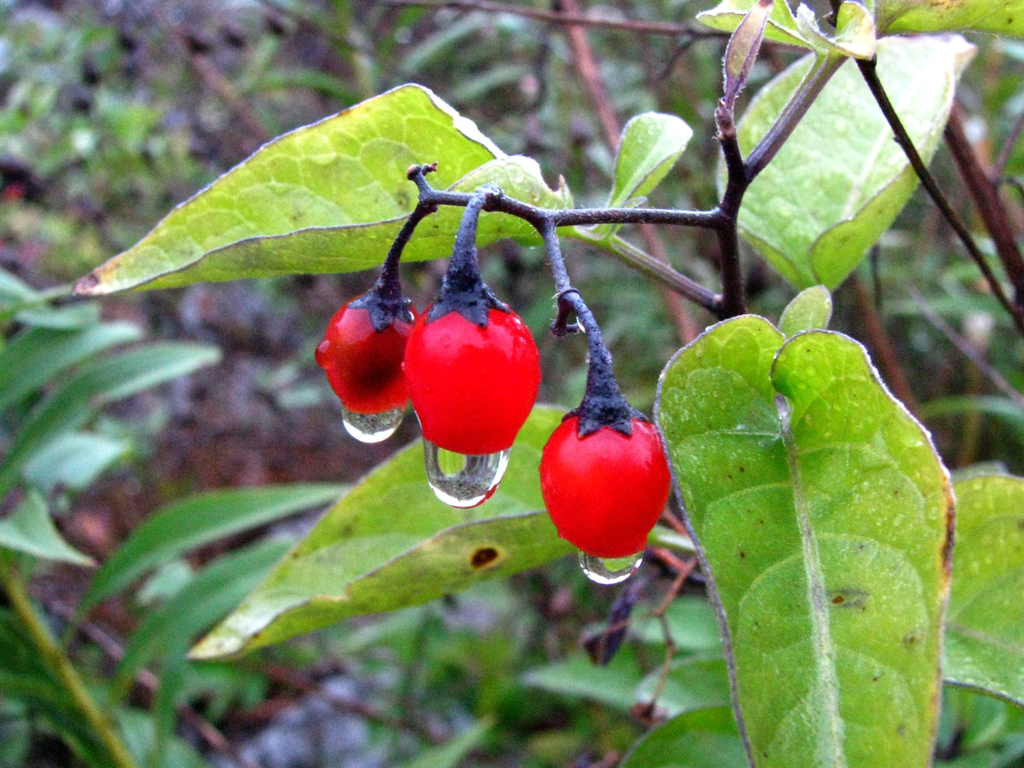
Bittersweet nightshade (Solanaceae)
Family: Solanaceae | Edibility: None (0/5) | Medicinal Interest: Moderate (3/5) | Weed Potential: Yes
Descripction: A climbing or semi-woody shrub with violet flowers and red fruits. It inhabits damp, shady places; its fruits contain toxic substances and should not be consumed.
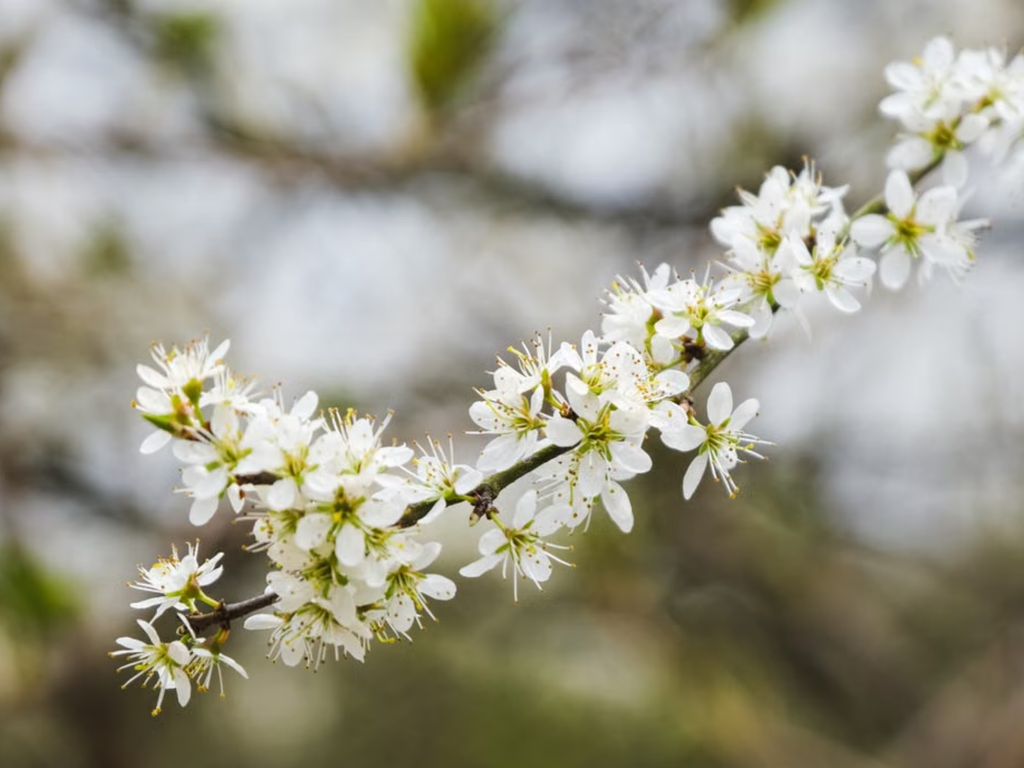
Blackthorn (Rosaceae)
Family: Rosaceae | Edibility: Moderate (3/5) | Medicinal Interest: Low (2/5) | Weed Potential: No
Descripction: A deciduous, spiny shrub with early white flowers and bluish fruits. Its fruits provide food for wildlife, while the plant offers shelter, protection and resources for numerous animals.
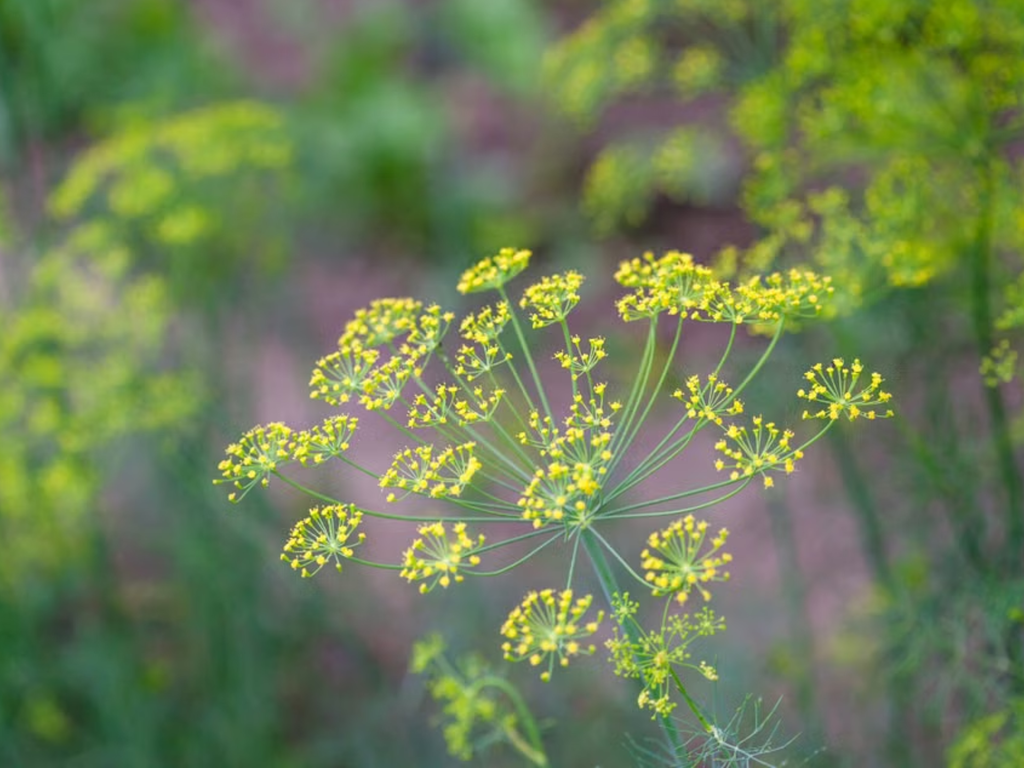
Wild dill (Apiaceae)
Family: Apiaceae | Edibility: Moderate (3/5) | Medicinal Interest: Low (2/5) | Weed Potential: Yes
Descripction: A tall, aromatic perennial plant with yellow flowers grouped in umbels. Its leaves and seeds are edible, and it attracts numerous insects, particularly during flowering.
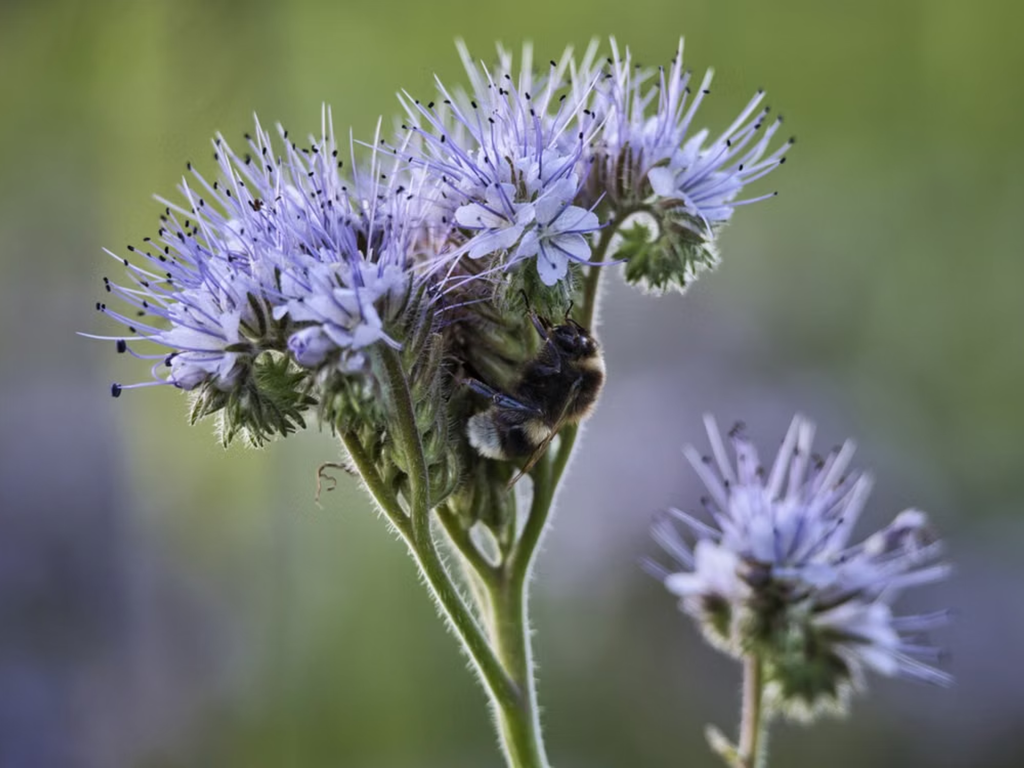
Lacy phacelia (Boraginaceae)
Family: Boraginaceae | Edibility: None (0/5) | Medicinal Interest: None (0/5) | Weed Potential: No
Description: A fast-growing annual herb with violet-blue flowers. It is used as a cover crop and is notable for producing abundant nectar, making it particularly attractive to pollinators.
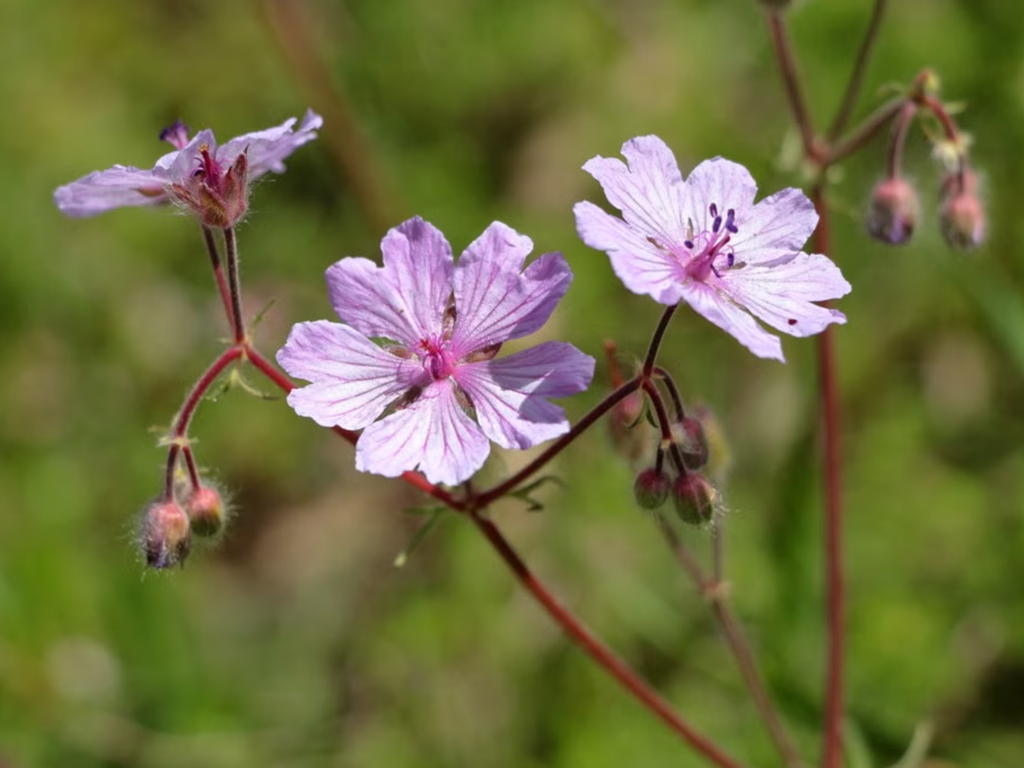
Cut-leaved cranesbill (Geraniaceae)
Family: Geraniaceae | Edibility: Low (1/5) | Medicinal Interest: Low (2/5) | Weed Potential: Yes
Description: An annual herb with deeply divided leaves and small pink flowers. It grows in meadows and disturbed ground, contributing to increased diversity within plant communities.
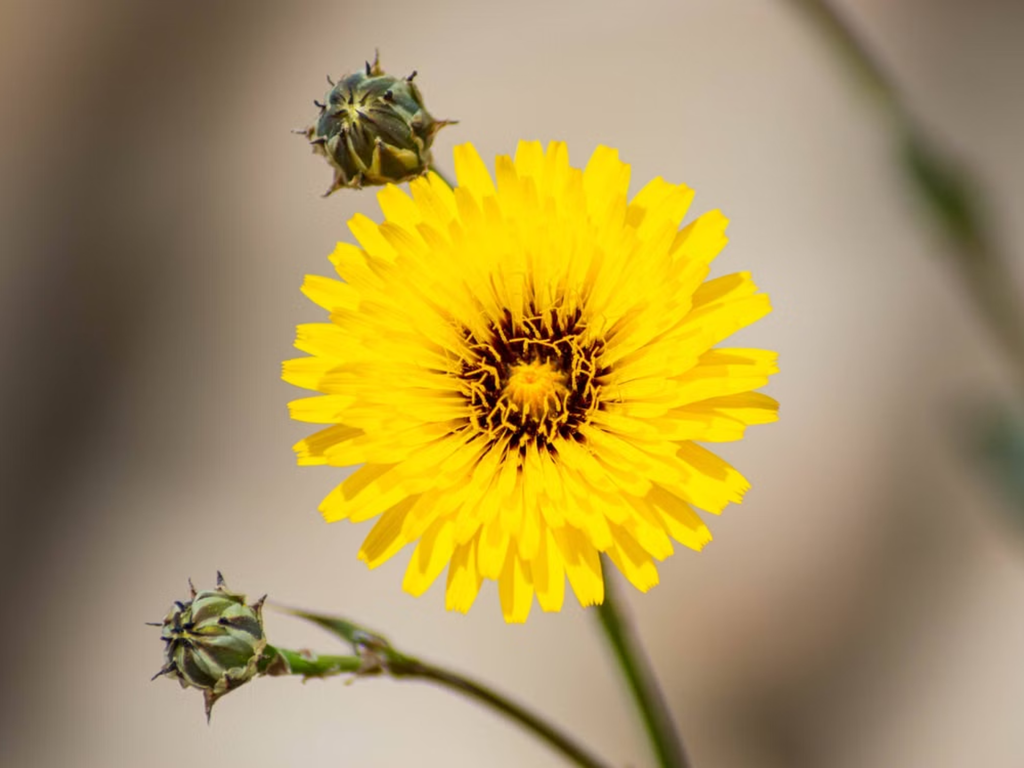
Cat’s ear (Asteraceae)
Family: Asteraceae | Edibility: Low (2/5) | Medicinal Interest: Low (1/5) | Weed Potential: No
Description: A perennial herb with a basal rosette and yellow flowers, common in meadows. Its young leaves are edible, and its flowers provide nectar and pollen for insects.
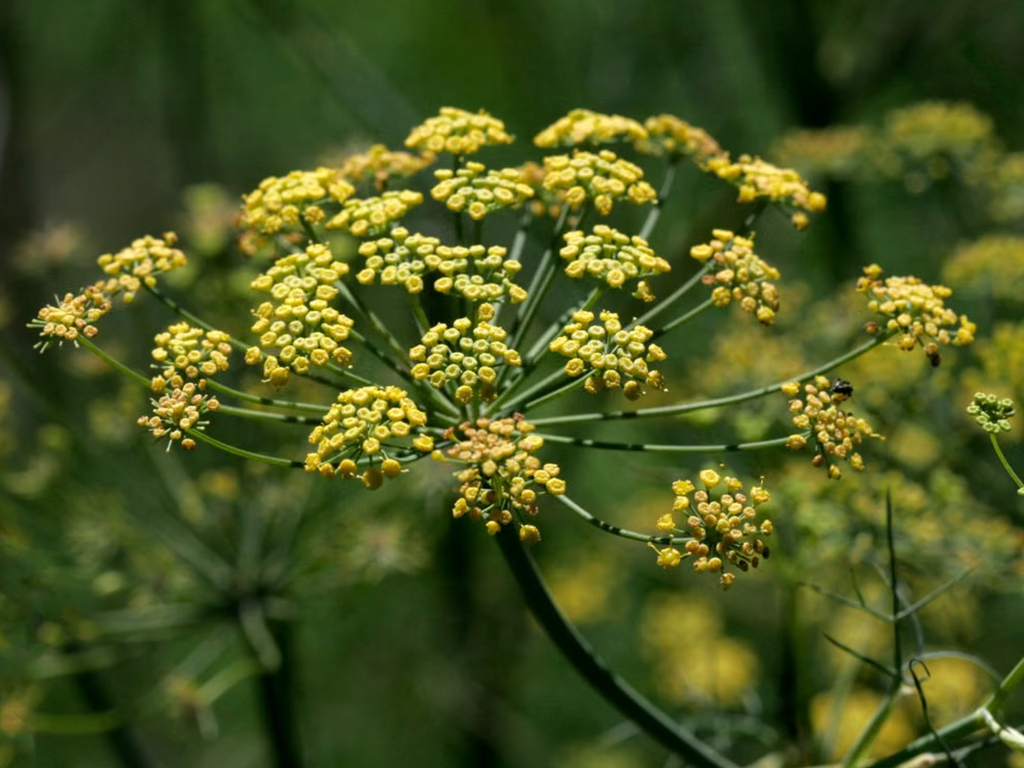
Fennel (Apiaceae)
Family: Apiaceae | Edibility: High (5/5) | Medicinal Interest: Moderate (3/5) | Weed Potential: Yes
Description: A tall, aromatic perennial plant with yellow flowers grouped in umbels. Its leaves and seeds are edible, and it attracts numerous insects, particularly during flowering.
Mediterranean mustard (Brassicaceae)
Family: Brassicaceae | Edibility: High (4/5) | Medicinal Interest: None (0/5) | Weed Potential: Yes
Description: A herbaceous plant in the Brassicaceae family, adapted to open, dry habitats. It produces yellow flowers and can grow in sunny, stony and disturbed ground.
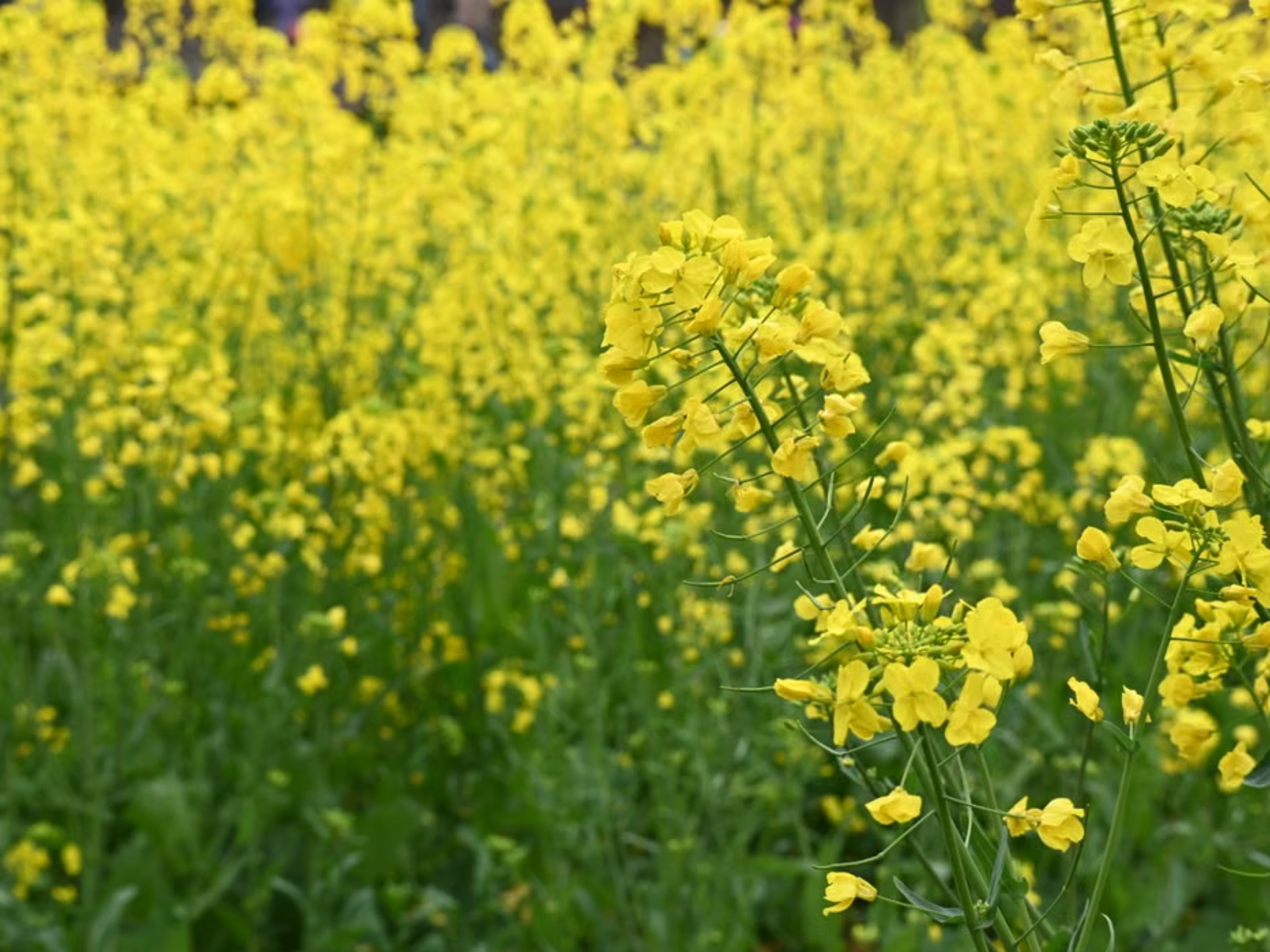
Wild lettuce (Asteraceae)
Family: Asteraceae | Edibility: Low (1/5) | Medicinal Interest: Moderate (3/5) | Weed Potential: No
Description: A large biennial herb with bluish leaves that produces latex. It has historically been used for medicinal purposes, although its consumption requires caution because of its effects.
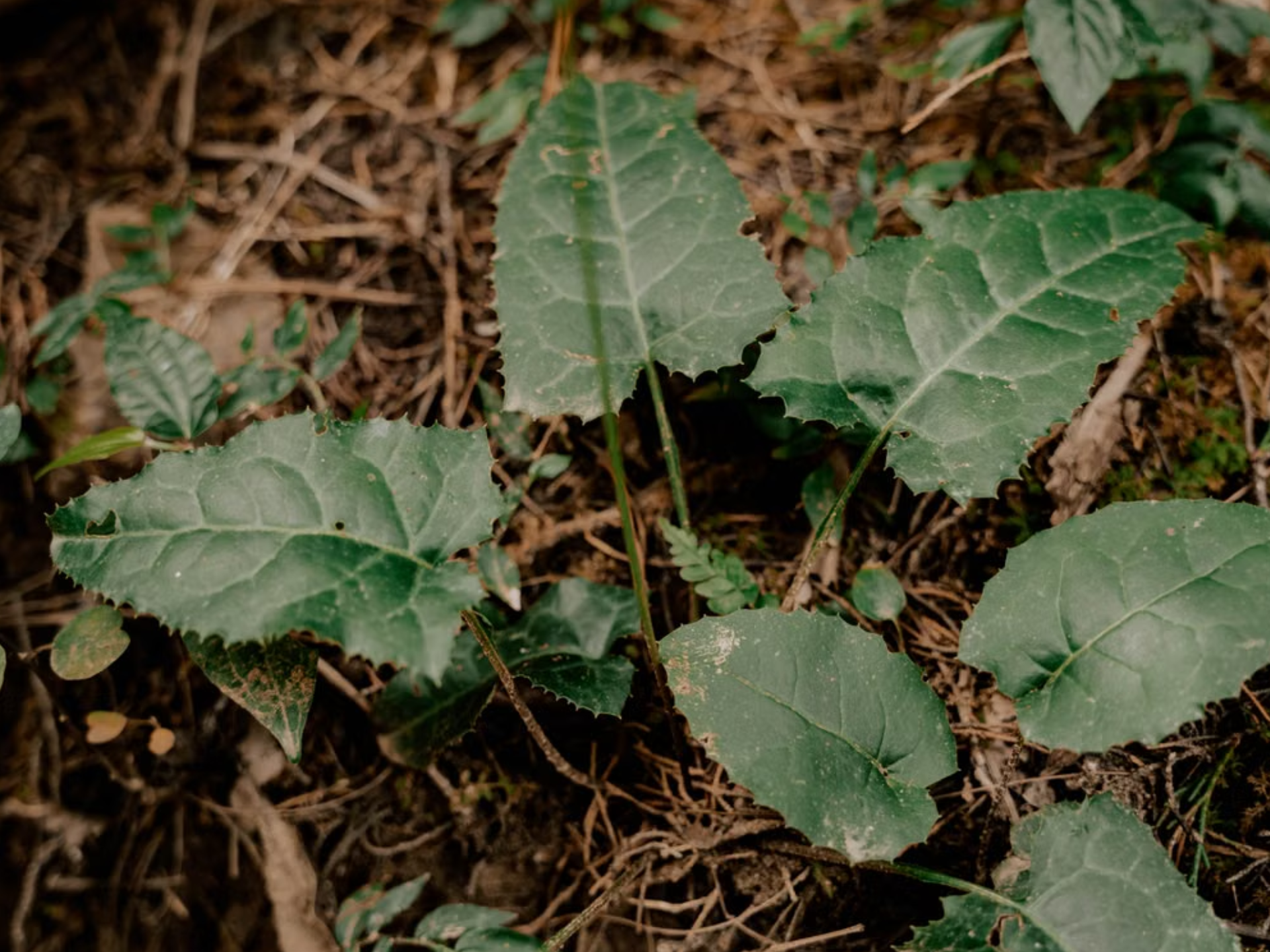
Prickly lettuce (Asteraceae)
Family: Asteraceae | Edibility: Moderate (3/5) | Medicinal Interest: Moderate (3/5) | Weed Potential: Yes
Description: A biennial herb with erect stems and leaves with spiny margins. It is the wild ancestor of cultivated lettuce and commonly colonises sunny, disturbed ground.
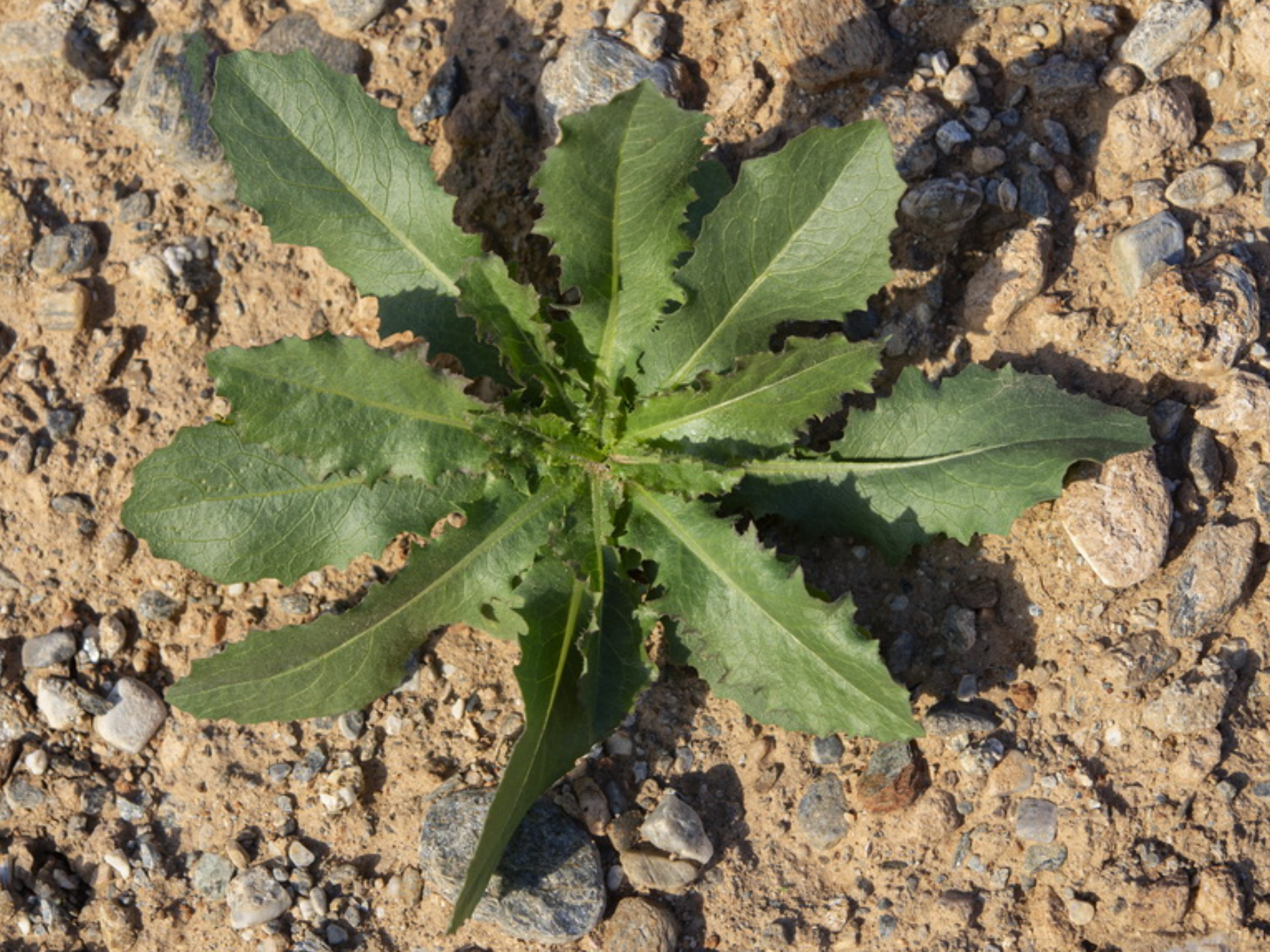
Greater plaintain (Plantaginaceae)
Family: Plantaginaceae | Edibility: Low (2/5) | Medicinal Interest: Moderate (3/5) | Weed Potential: Yes
Description: A perennial herb with a basal rosette, tolerant of trampling and common in compacted soils. Its leaves and seeds have traditional uses, and it provides resources for a variety of species.
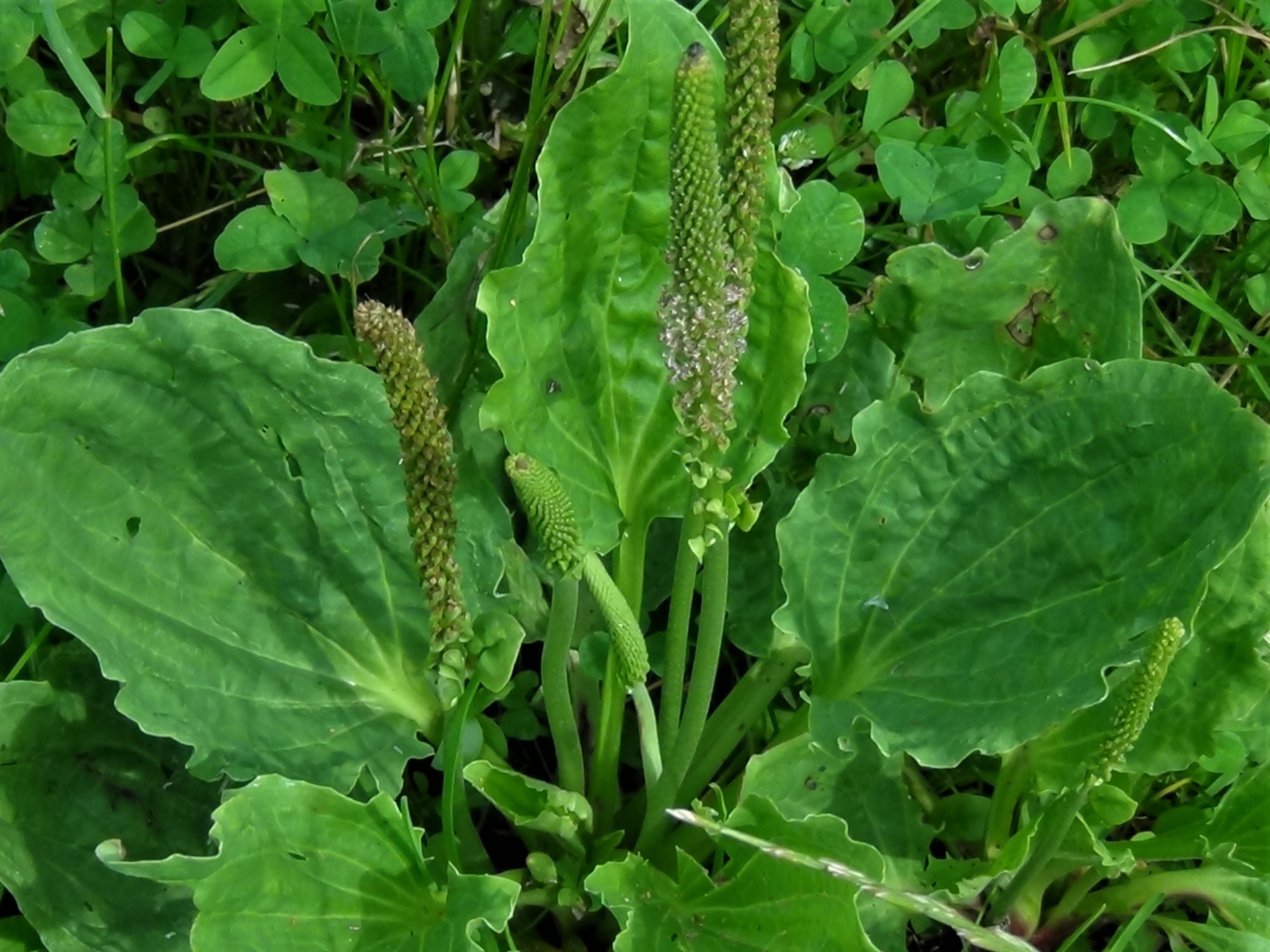
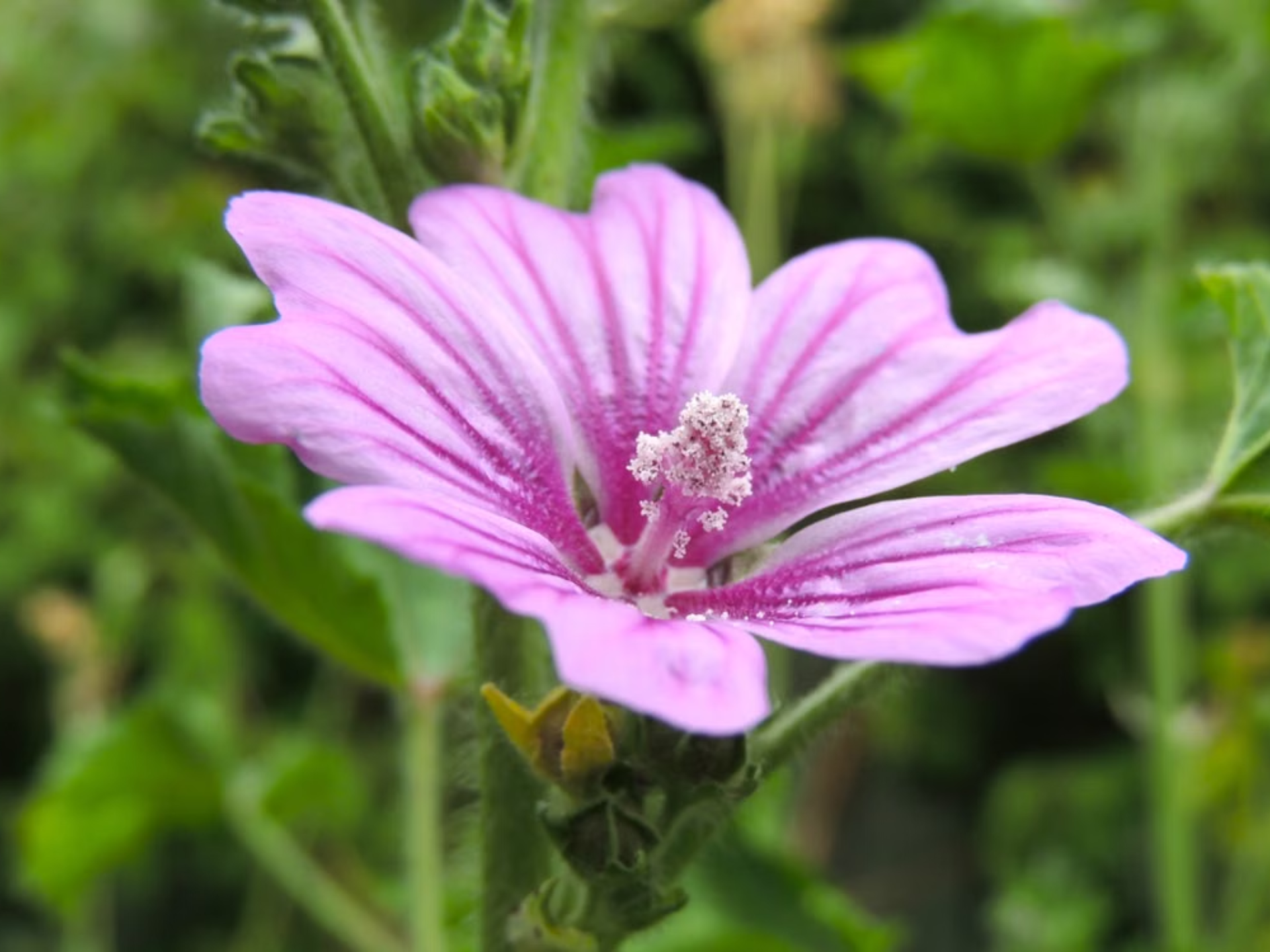
Common mallow (Malvaceae)
Family: Malvaceae | Edibility: Moderate (3/5) | Medicinal Interest: Moderate (3/5) | Weed Potential: No
Description: An annual, biennial or perennial herb with purple flowers. Its leaves, flowers and fruits are edible, and it has traditionally been used for its emollient properties.
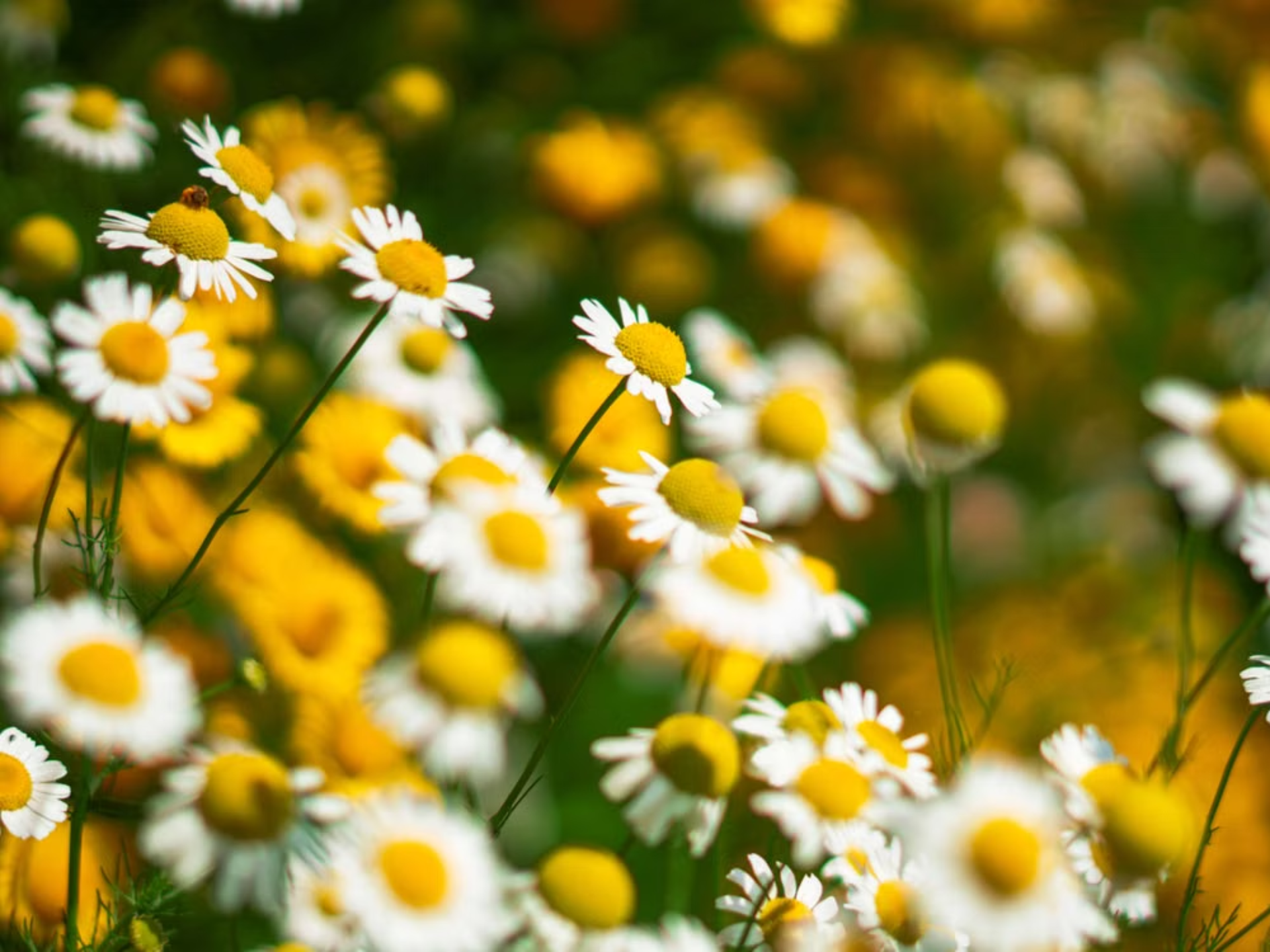
Field chamomile (Asteraceae)
Family: Asteraceae | Edibility: None (0/5) | Medicinal Interest: Low (2/5) | Weed Potential: Yes
Description: An annual herb with white flowers and yellow centres, characteristic of open Mediterranean habitats. It flowers abundantly and provides nectar and pollen resources for insects.
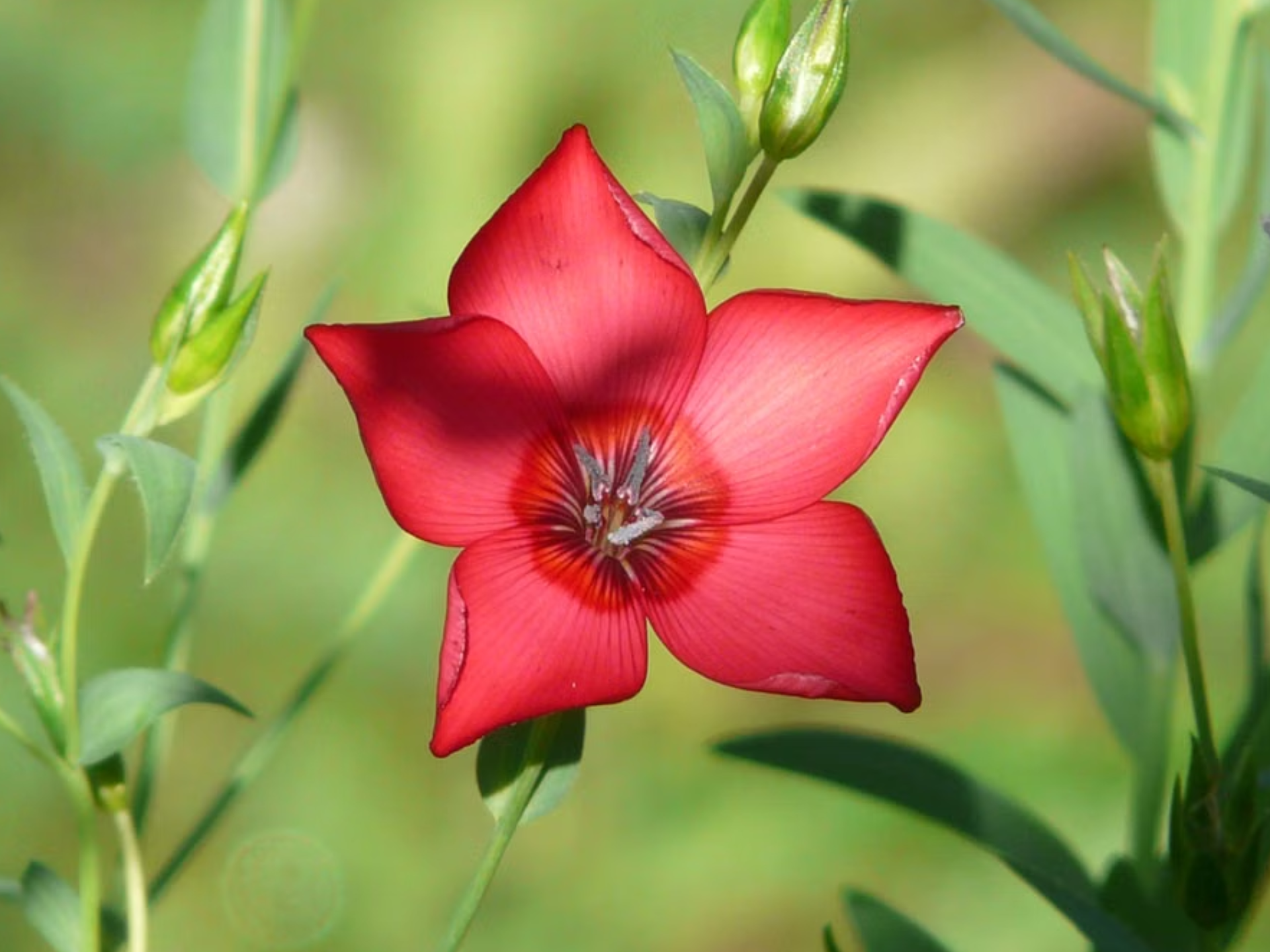
Scarlet pimpernel (Primulaceae)
Family: Primulaceae | Edibility: Low (2/5) | Medicinal Interest: Low (2/5) | Weed Potential: Yes
Description: A small annual herb with orange, red or blue flowers, common in fields and open habitats. It forms low-growing populations and contributes to floristic diversity.
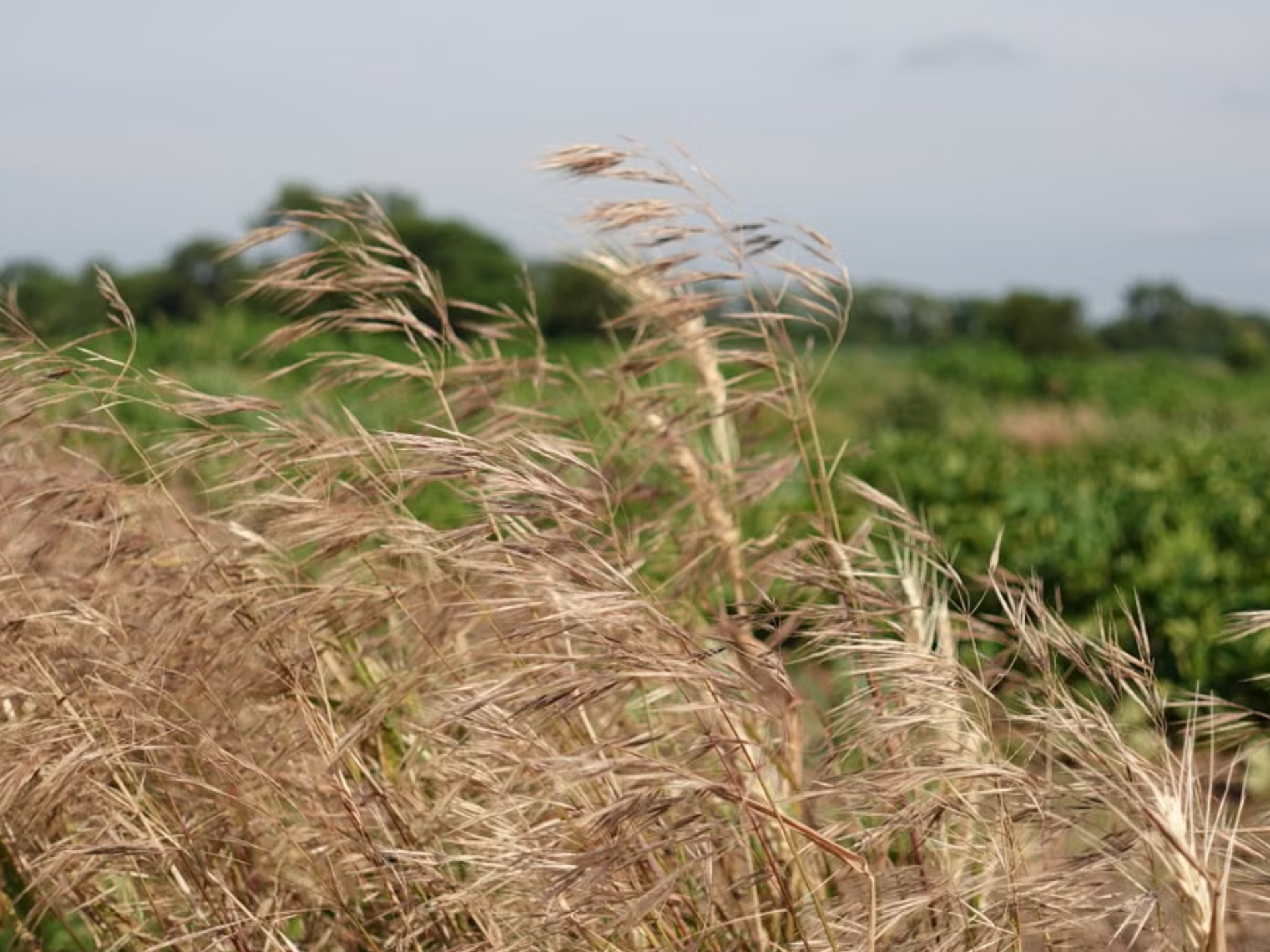
Johnsongrass (Poaceae)
Family: Poaceae | Edibility: Moderate (3/5) | Medicinal Interest: Low (1/5) | Weed Potential: Yes
Description: A vigorous perennial grass, capable of spreading by both seeds and rhizomes. It produces abundant biomass and is adapted to hot conditions, although it can behave as an invasive species.
Perennial ryegrass (Poaceae)
Family: Poaceae | Edibility: Low (1/5) | Medicinal Interest: Low (1/5) | Weed Potential: No
Description: A perennial grass that forms dense, trampling-resistant swards. It is widely used as forage and helps provide permanent ground cover.
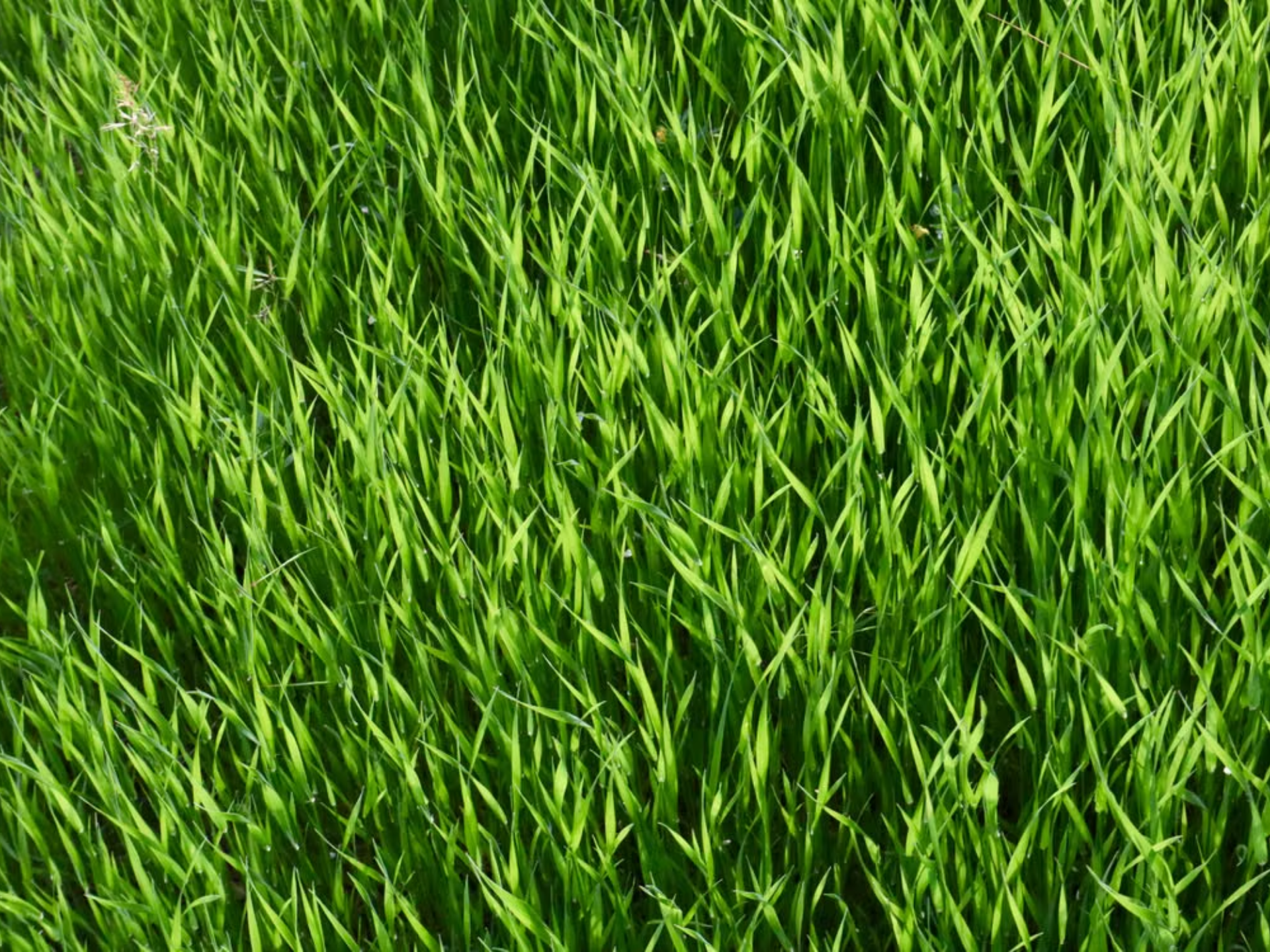
Italian ryegrass (Poaceae)
Family: Poaceae | Edibility: None (0/5) | Medicinal Interest: None (0/5) | Weed Potential: No
Description: A fast-growing annual or biennial grass, used as forage and as a cover crop. It produces abundant biomass and helps to provide temporary protection against soil erosion.
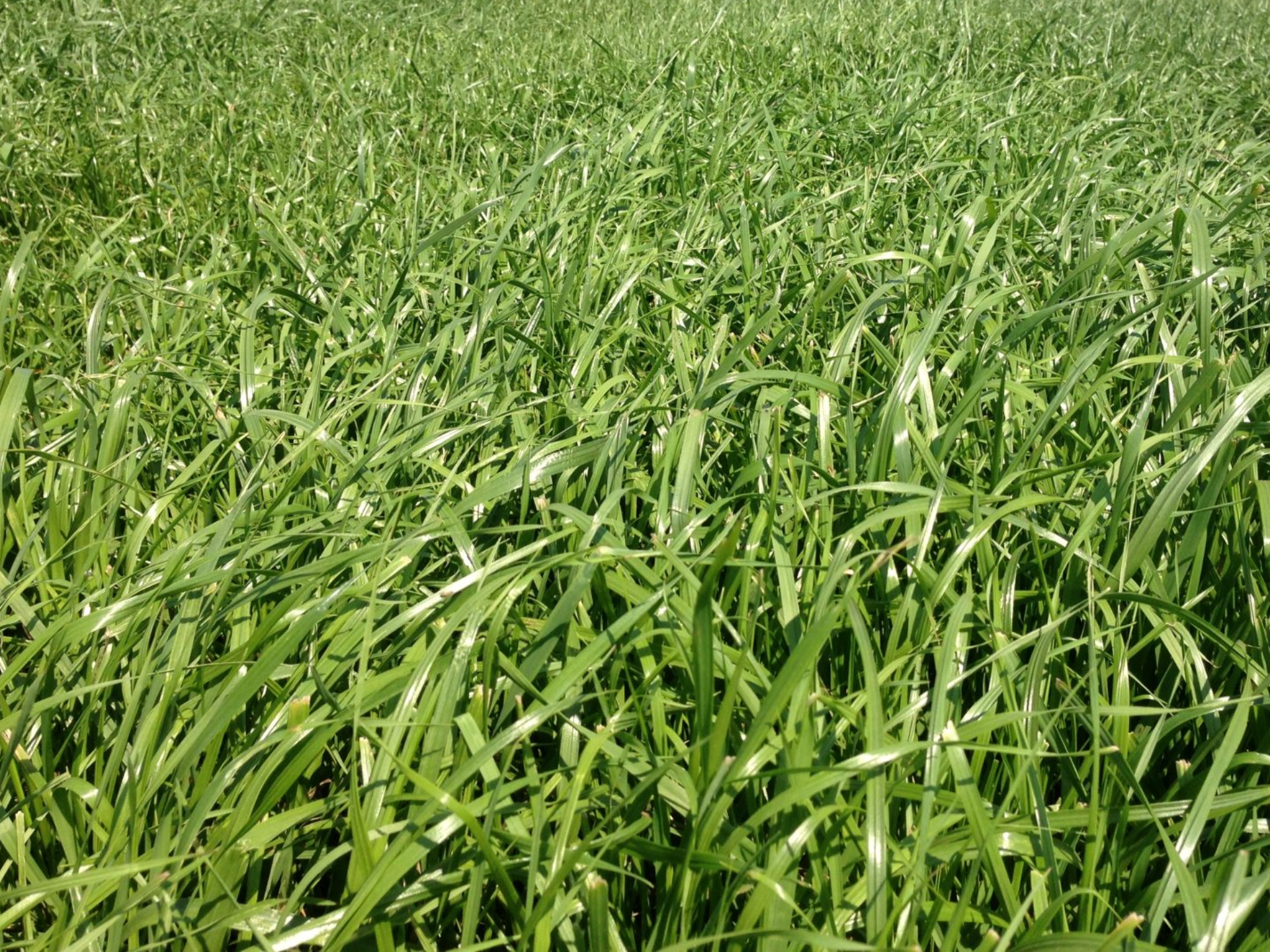
Red clover (Fabaceae)
Family: Fabaceae | Edibility: Moderate (3/5) | Medicinal Interest: Moderate (3/5) | Weed Potential: No
Description: A perennial legume with pink flowers grouped into flower heads. It fixes nitrogen through associations with root bacteria and is an important source of nectar and pollen for pollinators.
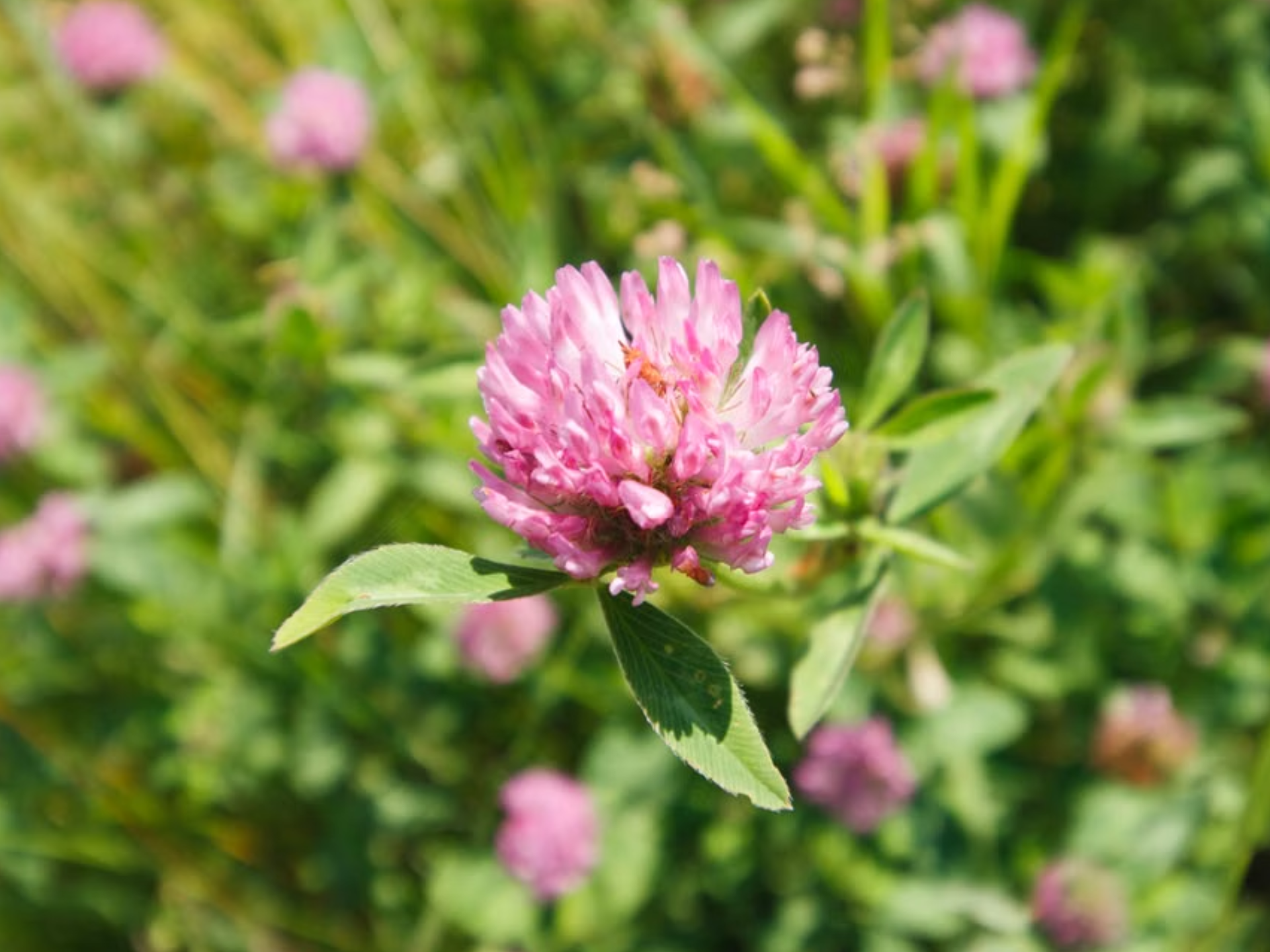
Common wheat (Poaceae)
Family: Poaceae | Edibility: High (4/5) | Medicinal Interest: Low (2/5) | Weed Potential: No
Description: An annual grass widely cultivated for grain production. Its seeds are an important source of food for humans and animals, forming an essential part of many agricultural systems.
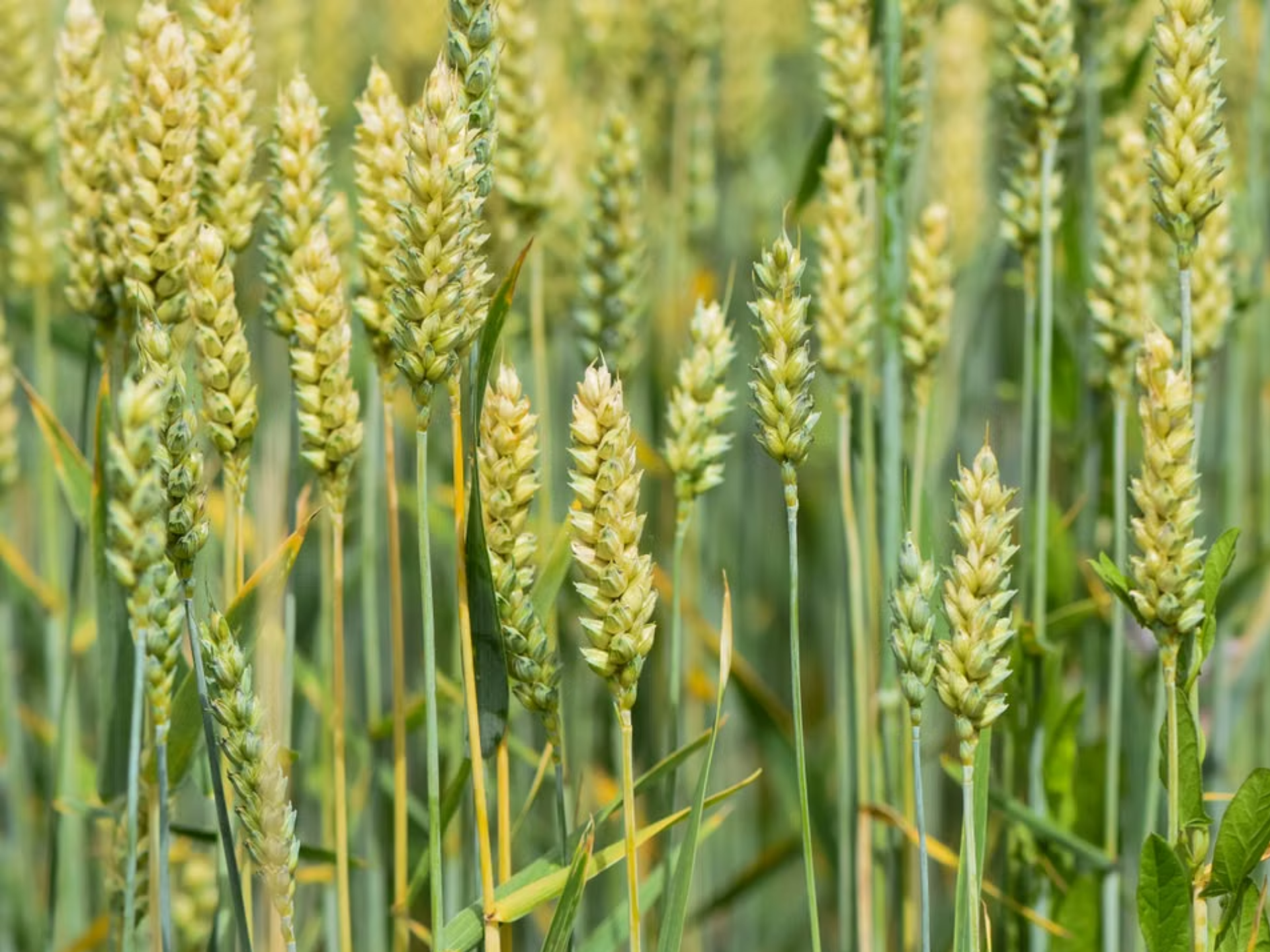
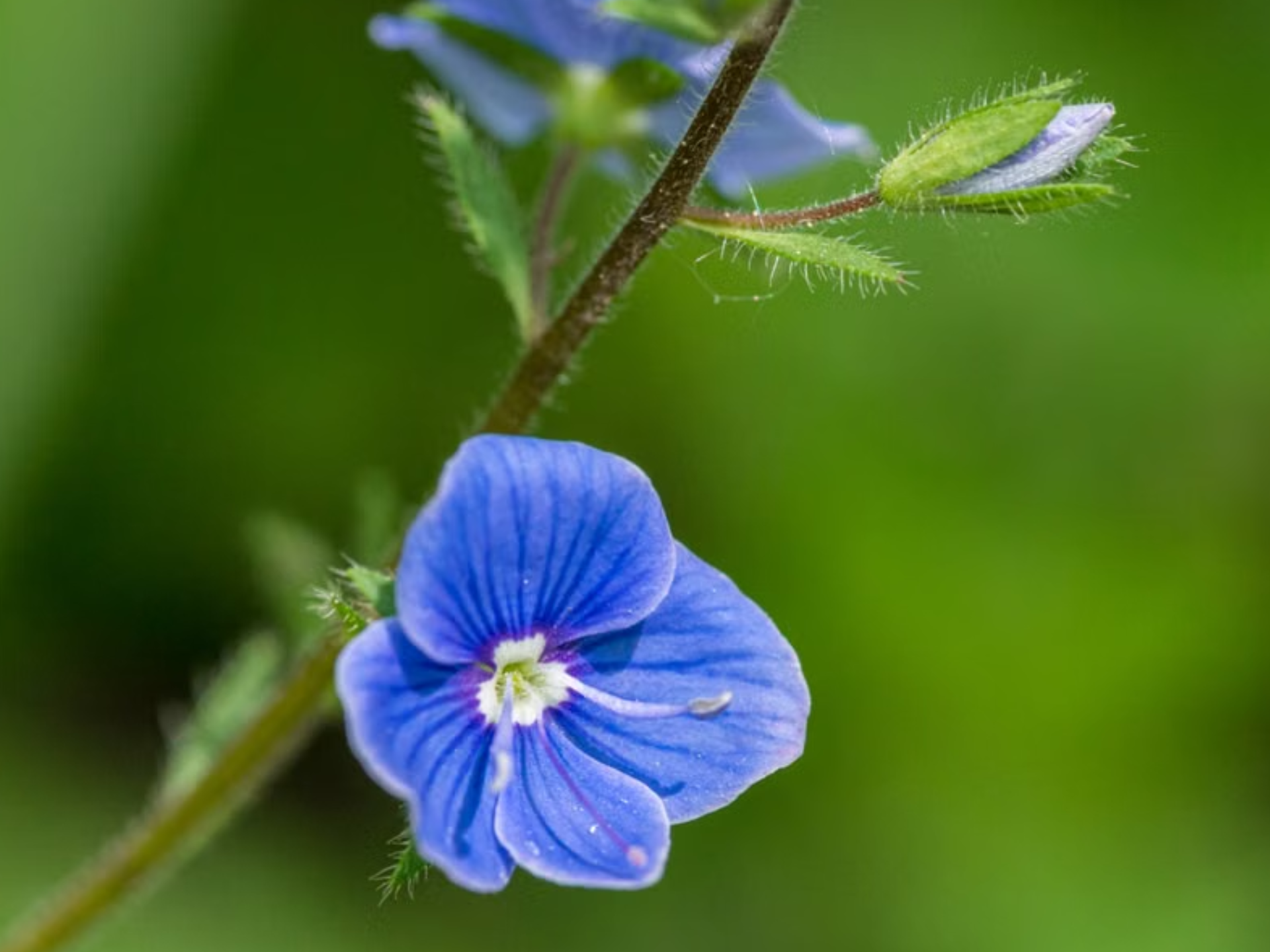
Persian speedwell (Plantaginaceae)
Family: Plantaginaceae | Edibility: Low (1/5) | Medicinal Interest: Low (1/5) | Weed Potential: Yes
Description: A small annual or short-lived herb with distinctive blue flowers. Common in cultivated fields and disturbed ground, it can flower for extended periods under favourable conditions.
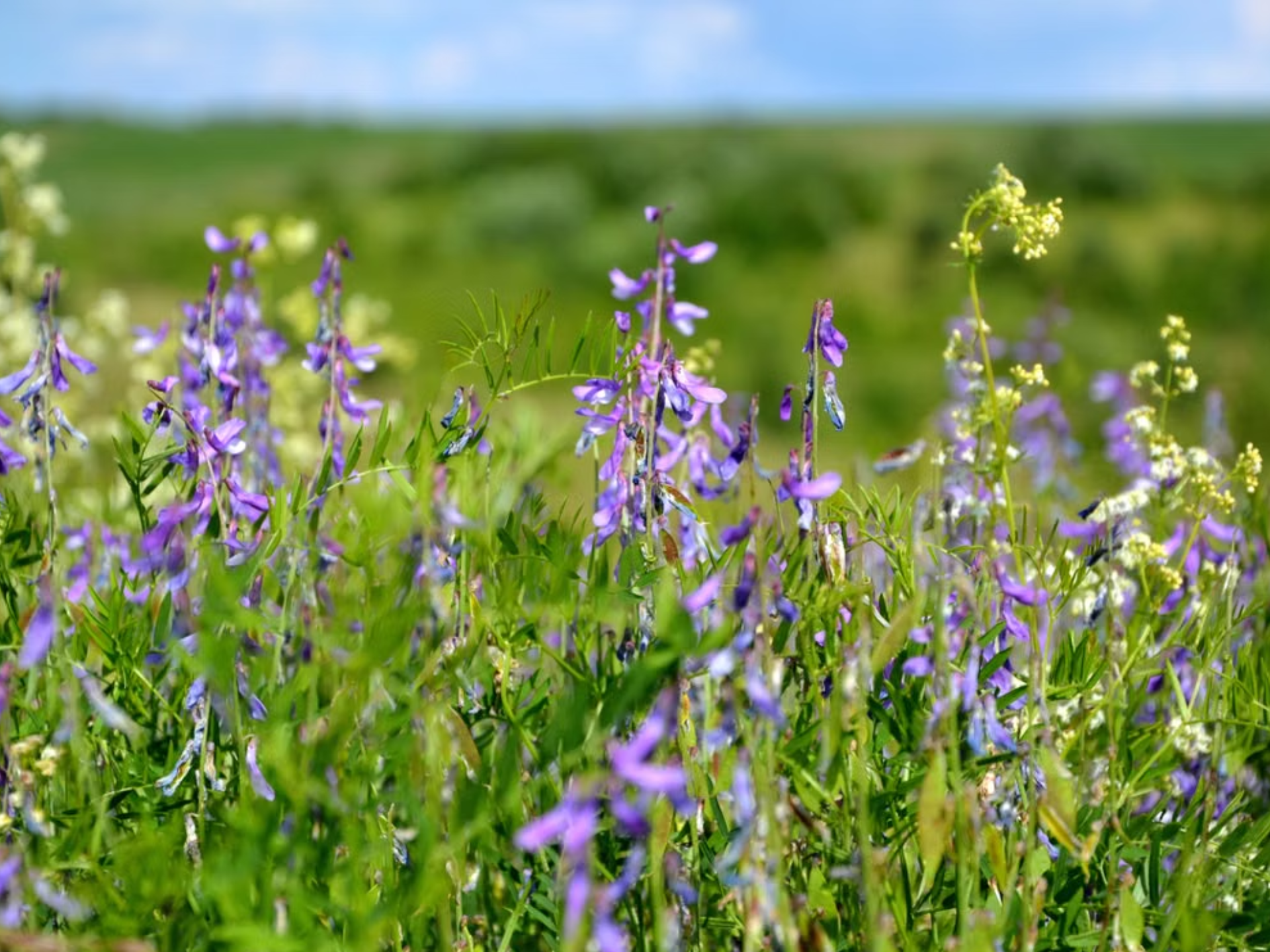
Common vetch (Fabaceae)
Family: Fabaceae | Edibility: Moderate (3/5) | Medicinal Interest: None (0/5) | Weed Potential: No
Description: An annual or biennial legume used as forage and a cover crop. It fixes atmospheric nitrogen and helps to improve soil fertility, structure and protection.
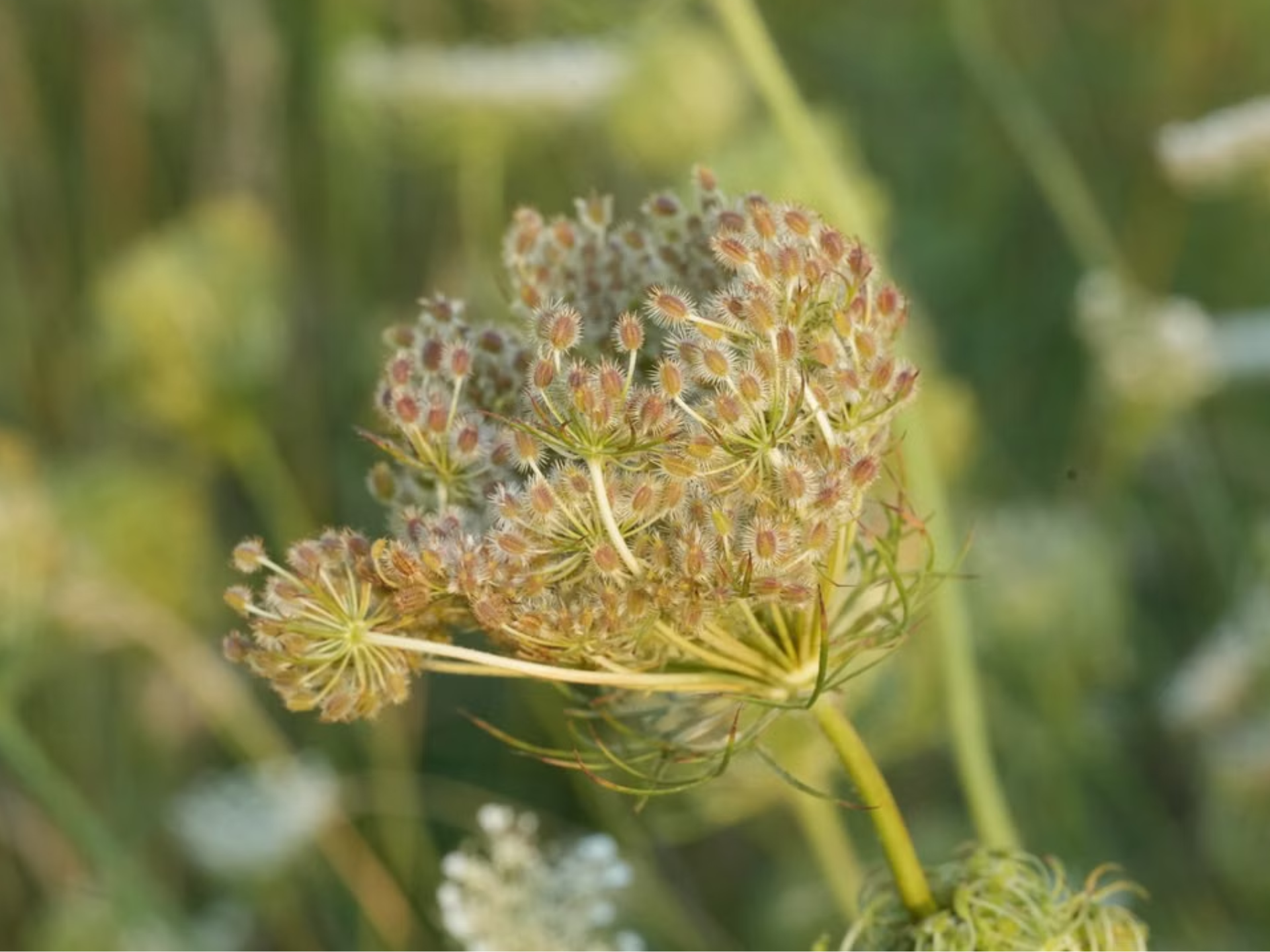
Wild carrot (Apiaceae)
Family: Apiaceae | Edibility: Moderate (3/5) | Medicinal Interest: Moderate (3/5) | Weed Potential: Yes
Description: A biennial herb with white flowers grouped into umbels and a deep root system. Its flowers attract numerous beneficial insects and contribute to increasing plant diversity.
Elmleaf blackberry (Rosaceae)
Family: Rosaceae | Edibility: Low (2/5) | Medicinal Interest: None (0/5) | Weed Potential: No
Description: A vigorous, spiny shrub that produces edible blackberries. It forms dense thickets that provide shelter for wildlife and abundant flowers visited by pollinating insects.